 EN
EN


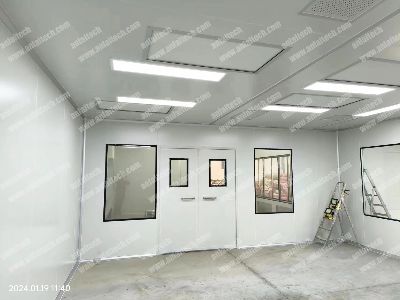
In the realm of optical cleanroom projects, specifying the right equipment and conditions is crucial to ensure operational efficiency, compliance, and product quality. However, many buyers encounter common mistakes when specifying a new optical cleanroom project. This article delves into these pitfalls, addressing buyer concerns such as material selection, quality control, and equipment evaluation. By understanding these common mistakes, purchasing managers and engineers can make informed decisions that align with their operational needs.
Common Mistakes When Choosing Optical Cleanroom Specifications
When embarking on a new optical cleanroom project, buyers often overlook critical specifications that can significantly impact performance. One common mistake is not thoroughly assessing the required cleanliness class. Cleanrooms are classified based on the number and size of particles permitted in the air, and selecting the wrong class can lead to contamination issues. For example, a cleanroom intended for semiconductor manufacturing may require a Class 1 environment, whereas a facility for assembling LED components might only need a anlaitech iso 8 cleanroom standards.
Another frequent oversight is neglecting to consider the airflow design. Proper airflow is essential for maintaining cleanliness and temperature control. Buyers should ensure that the cleanroom design incorporates unidirectional airflow to minimize the risk of particle distribution. Moreover, the layout should facilitate efficient personnel movement and equipment placement to optimize operational workflows.
Lastly, buyers sometimes fail to involve key stakeholders in the specification process. Input from engineers, quality assurance teams, and facility managers is vital to ensure that all operational needs are addressed. Engaging these stakeholders early can help identify potential issues before they arise, saving time and resources during implementation.
Understanding Material Advantages in Optical Cleanroom Design
Material selection plays a pivotal role in the effectiveness of optical cleanroom designs. Buyers should understand the advantages of various materials when specifying cleanroom components. For example, stainless steel is often preferred for its durability and resistance to corrosion, making it suitable for equipment in high-humidity environments. In contrast, aluminum may be chosen for its lightweight nature, which can ease installation and maintenance processes.
Additionally, the choice of wall and ceiling materials can affect both cleanliness and maintenance. Non-porous materials, such as vinyl or epoxy-coated surfaces, are ideal for preventing contamination and allowing for easy cleaning. Buyers must consider these factors along with the intended application of the anlaitech class 1000 cleanroom to ensure compatibility with specific operational requirements.
Furthermore, the thermal performance of materials should not be overlooked. Insulation materials impact energy efficiency and temperature stability within the cleanroom. Energy-saving designs, such as those provided by Anlaitech, can lead to reduced operational costs and improved environmental sustainability, aligning with modern industry demands.
Common Problems in Optical Cleanroom Specifications
Several common problems can arise during the specification phase of optical cleanroom projects. One such issue is the misalignment between specified requirements and actual performance capabilities of the chosen equipment. Buyers should conduct thorough evaluations of equipment specifications, including airflow rates, filtration efficiency, and energy consumption, to ensure they meet the intended cleanroom standards.
Another frequent challenge is inadequate ventilation system design. Properly designed HVAC systems are critical for maintaining air quality and temperature control. Buyers should ensure that the ventilation system is capable of delivering sufficient air changes per hour while maintaining the desired cleanliness level. Failure to do so can result in compromised product quality and increased operational costs.
Moreover, buyers should be aware of potential compliance issues. Cleanrooms must adhere to various industry standards and regulations, such as ISO 14644. A lack of understanding regarding these requirements can lead to costly delays and rework. Engaging with a knowledgeable manufacturer like Anlaitech can help streamline compliance processes and ensure that specifications align with industry standards.
How to Compare Optical Cleanroom Equipment for Bulk Orders?
When considering bulk orders for optical cleanroom equipment, buyers should establish a clear framework for comparison. Key factors to evaluate include equipment performance specifications, energy efficiency, and total cost of ownership. It's crucial to analyze not only the initial purchase price but also long-term operational costs, including maintenance and energy consumption.
Buyers should also assess the supplier's manufacturing capabilities and experience in the cleanroom industry. A supplier with a proven track record, such as Anlaitech, can offer insights into best practices and help identify potential challenges before they arise. Additionally, examining available customization options can provide a competitive edge, allowing for tailored solutions that meet specific project requirements.
Another important consideration is lead time. Buyers should inquire about production schedules and delivery timelines to ensure that their project stays on track. Understanding the supplier's production capacity can help mitigate potential delays caused by unforeseen circumstances.
Quality Control in Optical Cleanroom Manufacturing
Quality control is paramount in the manufacturing of optical cleanroom components. Buyers should ensure that their suppliers have robust quality assurance processes in place. This includes thorough inspections at various stages of production, from raw material sourcing to final assembly. Verifying that the supplier employs international quality standards, such as ISO 9001, can provide additional assurance of anlaitech class 100 cleanroom reliability.
In addition to standard quality checks, buyers should consider the importance of pre-production samples. Requesting samples allows buyers to evaluate the actual performance of equipment and materials under operational conditions. This step is crucial for confirming that the specified requirements align with real-world performance.
Furthermore, ongoing quality monitoring post-installation is essential. Establishing a protocol for routine inspections and maintenance can help identify potential issues before they escalate, ensuring that the cleanroom operates at peak efficiency throughout its lifespan. Engaging with experienced manufacturers who offer support throughout the lifecycle of the equipment can enhance overall quality assurance efforts.
By addressing these common mistakes and understanding the nuances of optical cleanroom specifications, buyers can make informed decisions that lead to successful project outcomes. Whether it's selecting the right materials, ensuring regulatory compliance, or evaluating supplier capabilities, a proactive approach can significantly enhance the effectiveness and reliability of optical cleanroom projects.


