 EN
EN


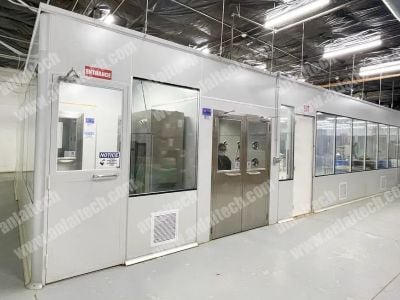
Optical cleanrooms are critical environments for lens and sensor component production, where precise control over air quality, particle contamination, and environmental factors is essential. For purchasing managers and engineers in the manufacturing sector, understanding the nuances of optical cleanroom selection is vital for ensuring product quality and compliance with industry standards. This article provides practical insights into optical cleanroom selection tips, focusing on key specifications, common installation challenges, sourcing reliable equipment, applications in the industry, and comparing different modular cleanroom solutions.
Key Specifications to Consider for Sensor Component Cleanrooms
When selecting an optical cleanroom for lens and sensor component production, several key specifications must be addressed:
Cleanroom Classification: Cleanrooms are classified based on ISO standards that define the maximum allowable particulate contamination. For lens and sensor production, an ISO 5 or better classification is often required, ensuring minimal particle counts that could affect sensitive components.
Airflow and Filtration: The cleanroom design should incorporate High-Efficiency Particulate Air (HEPA) filters or Ultra-Low Penetration Air (ULPA) filters, depending on the cleanliness level needed. The airflow pattern whether laminar or turbulent, also impacts contamination control. Laminar airflow is typically preferred as it ensures that air moves in parallel layers, reducing turbulence and particle disturbance.
Temperature and Humidity Control: Maintaining specific temperature and humidity levels can be crucial for certain materials and processes. Buyers should confirm that the cleanroom's HVAC system can achieve and maintain the required conditions reliably.
Material Compatibility: The materials used in constructing the cleanroom should be compatible with the production processes. For instance, non-porous, smooth surfaces are easier to clean and less likely to harbor contaminants.
Monitoring Systems: Incorporating real-time monitoring systems for particulate counts, temperature, and humidity can enhance operational efficiency. Buyers should inquire about the integration of these systems into the cleanroom design.
Evaluating these specifications early in the procurement process can prevent costly adjustments later in production.
Common Cleanroom Installation Problems and Their Solutions
Installation of optical cleanrooms often presents unique challenges that can impact the overall efficacy of the environment:
Inadequate Airflow Design: Poor airflow distribution can lead to dead zones where particles accumulate. It is crucial to work with experienced engineers to simulate airflow patterns during the planning stage, ensuring optimal layout and filter placement.
Sealing Issues: Cleanrooms need to be properly sealed to avoid contamination from outside air. Common problems include gaps in ductwork or between panels. Implementing rigorous quality control during installation and using appropriate sealing materials can mitigate these issues.
Incompatible Systems: Sometimes, existing HVAC systems are not suitable for the cleanroom's requirements. Conducting a thorough assessment of current systems and their capabilities before installation can prevent operational disruptions.
Insufficient Training: Personnel must be trained in cleanroom protocols. Regular training sessions and clear operational guidelines can help ensure compliance and maintain cleanliness standards.
By addressing these common installation problems upfront, manufacturers can create a more effective cleanrooms environment.
Where to Source Reliable Optical Cleanroom Equipment Wholesale?
Finding reputable suppliers for optical cleanroom equipment is essential for maintaining quality during production. Consider these sourcing tips:
Industry Reputation: Look for manufacturers with a proven track record in cleanroom technology, particularly those experienced in serving the lens and sensor industry. Companies like Anlaitech, known for their expertise in cleanroom air conditioning purification and project management, can provide valuable insights into reliable equipment sourcing.
Certifications and Compliance: Verify that suppliers comply with relevant industry standards and certifications. This ensures that the equipment meets required specifications for performance and safety.
Customization Options: Many projects require specialized solutions. Assess suppliers' capabilities to provide customized equipment that meets specific cleanroom requirements, including dimensions, filtration efficiency, and airflow rates.
Post-Sale Support: Opt for suppliers that offer robust post-sale support, including installation assistance, maintenance services, and training. This support can be critical for the successful operation of cleanroom systems.
By carefully evaluating suppliers based on these criteria, buyers can ensure a more successful procurement process.
Applications of Optical Cleanrooms in the Lens and Sensor Industry
Optical cleanrooms play a vital role in various applications within the lens and sensor industry:
Lens Manufacturing: In lens production, even minor contamination can lead to defects. Cleanrooms provide a controlled environment for grinding, polishing, and coating processes, ensuring high-quality optical components.
Sensor Production: For sensor components, such as photodetectors and image sensors, maintaining an ultra-clean environment is crucial to prevent noise and enhance performance. Optical cleanrooms help manage environmental factors that can affect sensor sensitivity and accuracy.
Research and Development: Cleanrooms are also used in R&D settings where new materials and technologies are tested. This environment allows manufacturers to experiment with innovative processes while maintaining strict contamination control.
By understanding the specific applications and benefits of optical cleanrooms, buyers can better align their needs with the right cleanroom solutions.
Comparing Different Cleanroom Solutions for High-Tech Manufacturing
When evaluating cleanroom solutions for high-tech manufacturing, it is essential to consider a few key factors:
Type of Cleanroom: There are various types of cleanroom designs, including modular and traditional. Modular cleanrooms offer flexibility and quicker installation, while traditional designs may provide more stability and long-term durability.
Cost vs. Performance: While it may be tempting to choose the least expensive option, it is important to assess the long-term costs associated with maintenance, energy consumption, and operational efficiency. High-performance systems may have a higher upfront cost but can lead to lower operational costs over time.
Scalability: As production needs change, the ability to scale the cleanroom efficiently is crucial. Buyers should evaluate whether the cleanroom can be easily expanded or modified to accommodate future requirements.
Energy Efficiency: In addition to performance, energy efficiency is an important consideration. Look for systems designed with energy-saving features, which can result in significant cost savings over time.
By comparing these aspects of different cleanroom solutions, purchasing managers can make informed decisions that align with their operational needs and budget constraints.
In summary, selecting the right optical cleanroom for lens and sensor component production involves careful consideration of specifications, installation challenges, reliable sourcing, application needs, and comparative evaluations of available solutions. By understanding these key factors, B2B buyers can navigate the complexities of cleanroom procurement with confidence.
Table of Contents
- Key Specifications to Consider for Sensor Component Cleanrooms
- Common Cleanroom Installation Problems and Their Solutions
- Where to Source Reliable Optical Cleanroom Equipment Wholesale?
- Applications of Optical Cleanrooms in the Lens and Sensor Industry
- Comparing Different Cleanroom Solutions for High-Tech Manufacturing


