 EN
EN


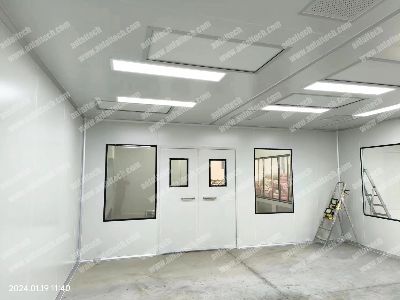
Maintaining particle performance inside an operational optical cleanroom is crucial for industries that require stringent air quality standards, such as biopharmaceuticals, medical technology, and electronics manufacturing. As a leading manufacturer of cleanroom equipment, Anlaitech understands the concerns of purchasing managers and facility engineers regarding contamination control, equipment reliability, and compliance with industry regulations. This article will explore essential techniques and considerations for maintaining optimal particle performance in cleanrooms, ensuring that your facility meets the highest quality standards
Evaluating Quality Standards in Optical Cleanroom Performance Products
When selecting equipment for an optical cleanroom, it is vital to evaluate quality standards that align with your operational requirements. Quality standards, such as ISO 14644, dictate acceptable levels of airborne particulate contamination
Buyers should consider the ISO class that corresponds to the intended application. For instance, ISO Class 5 cleanrooms require a maximum allowable particle count of 3,520 particles per cubic meter for particles ≥0.5 micrometers. The performance of air filtration systems, such as HEPA or ULPA filters, is critical in maintaining these standards. Ensure that the filters are certified and tested in accordance with established standards, as this verifies their efficiency and reliability
Additionally, it is essential to assess the materials and construction of cleanroom equipment. Equipment that incorporates non-porous and easy-to-clean surfaces aids in maintaining cleanliness. Buyers should also request documentation regarding the equipment’s compliance with international standards and certifications, as this can significantly impact quality assurance processes
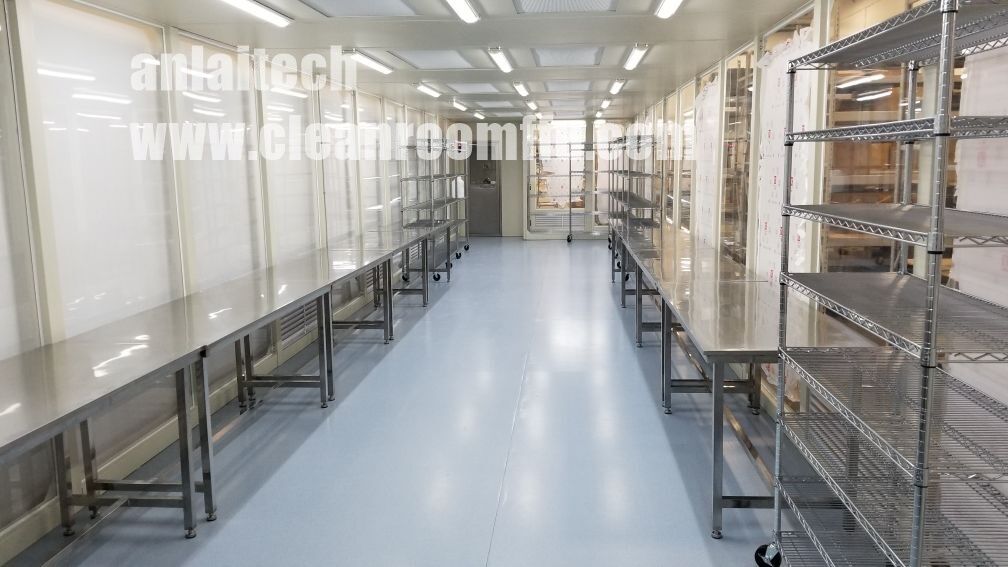
Cost Factors to Consider When Maintaining Cleanroom Environments
Maintaining particle performance in an optical cleanroom involves several cost factors that buyers must consider. While initial equipment investment is crucial, ongoing operational costs can significantly affect the total cost of ownership
Filter replacement is one of the largest ongoing expenses in cleanroom maintenance. The frequency of replacements depends on various factors, including the type of cleanroom, the volume of air processed, and the level of particulate contamination in the environment. It’s advisable to establish a maintenance schedule based on real-time monitoring of particulate levels to optimize filter life and reduce costs
Energy consumption is another critical factor, especially given the high airflow requirements in cleanrooms. Equipment designed with energy-efficient technology can lead to substantial savings over time. Anlaitech specializes in energy-saving designs for cleanroom air conditioning systems, which can minimize operational costs while maintaining optimal air quality
Lastly, training costs for staff on proper cleanroom protocols and maintenance procedures should not be overlooked. Well-trained personnel can help prevent contamination and equipment misuse, ultimately leading to lower costs and enhanced performance
Common Problems in Cleanrooms and Effective Solutions for Maintenance
Cleanrooms are susceptible to various problems that can compromise particle performance. Common issues include filter saturation, improper airflow patterns, and equipment malfunction. To prevent these issues, routine maintenance and monitoring are essential
For instance, filter saturation can lead to reduced airflow and increased particle counts. Implementing a real-time monitoring system to track pressure differentials can help maintain optimal airflow and indicate when filters need biotech cleanroom equipment due to high operational demands. Buyers should ensure that all equipment is designed for durability and is routinely serviced. Anlaitech recommends scheduling preventative maintenance checks to address wear before it leads to system failures
Education on proper cleanroom protocols is crucial in mitigating contamination risks. Staff should be trained to follow gowning procedures, minimize movements, and maintain cleanliness to prevent introducing contaminants into the environment
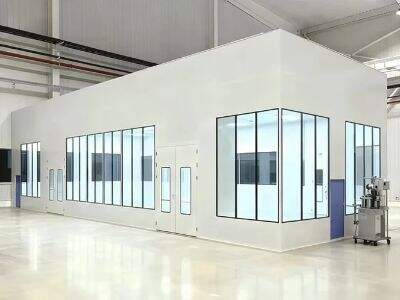
Installation Guidance for Optimal Particle Performance in Cleanrooms
Proper installation is a critical factor in achieving optimal particle performance in cleanrooms. Buyers should work closely with experienced professionals during the installation process to ensure compliance with design specifications and operational requirements
Before installation, it is essential to conduct a thorough site assessment. This assessment should consider factors such as the layout of the cleanroom, airflow dynamics, and the specific needs of the industry. Proper placement of air handling units and filters can significantly impact air circulation and contamination control
During installation, attention should be given to sealing joints and ensuring that all equipment is properly aligned. Gaps or leaks can lead to uncontrolled airflow and particle ingress. Additionally, it is advisable to conduct a performance verification test post-installation. This test should measure particle levels and airflow patterns to ensure the cleanroom meets the required standards before it becomes operational
Buyers should also consider the long-term implications of their installation choices. Choosing modular equipment can facilitate future upgrades and adjustments, ensuring that the cleanroom can adapt to changing operational requirements
Application Scenarios for Advanced Cleanroom Air Purification Systems
Advanced cleanroom air purification systems play a vital role in maintaining particle performance across various industries. Each application demands specific considerations to ensure optimal performance
In the biopharmaceutical sector, for example, cleanrooms must meet stringent contamination control requirements to ensure the integrity of drug products. Advanced air filtration systems that utilize multi-layered filtration technologies are beneficial in these scenarios, as they can effectively capture a wide range of particle sizes, including bacteria and viruses
In the semiconductor industry, where even microscopic particles can affect product quality, cleanrooms often employ high-efficiency particulate air (HEPA) filters paired with ventilation systems designed to minimize turbulence. This configuration helps maintain a laminar airflow that is essential for preventing contamination during critical manufacturing processes
For food processing plants, cleanroom air purification systems should be designed to not only control particulates but also to eliminate odors and volatile organic compounds (VOCs). Specialized filtration technologies that target specific contaminants can enhance product safety and quality
Understanding the unique requirements of each application will allow buyers to select the most effective cleanroom companies air purification systems that align with their operational goals. Collaborating with an experienced manufacturer like Anlaitech can provide valuable insights into the best solutions tailored to specific industry needs
Table of Contents
- Evaluating Quality Standards in Optical Cleanroom Performance Products
- Cost Factors to Consider When Maintaining Cleanroom Environments
- Common Problems in Cleanrooms and Effective Solutions for Maintenance
- Installation Guidance for Optimal Particle Performance in Cleanrooms
- Application Scenarios for Advanced Cleanroom Air Purification Systems


