 EN
EN


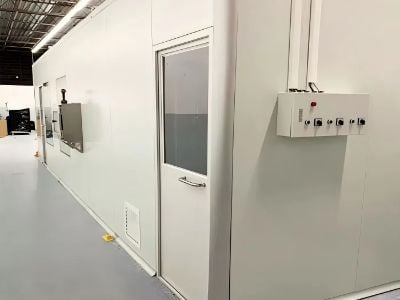
Optical cleanrooms are specialized environments designed to maintain strict control over particulate contamination, temperature, humidity, and other variables, particularly in high-precision assembly operations. For manufacturers in industries such as electronics, biopharmaceuticals, and food production, selecting appropriate optical cleanroom material and filtration solutions is crucial for ensuring product quality and operational efficiency. This article will guide you through evaluating filtration solutions, comparing specifications, understanding installation needs, exploring application areas, and choosing the best optical cleanroom products tailored to your requirements.
How to Evaluate Optical Cleanroom Filtration Solutions for Quality?
When evaluating optical cleanroom filtration solutions, buyers should focus on the efficiency, type, and maintenance of the filtration system. The most common types of filters used in optical cleanrooms include HEPA (High-Efficiency Particulate Air) and ULPA (Ultra-Low Penetration Air) filters. These filters are categorized by their ability to capture particles of varying sizes, which is crucial for maintaining the desired cleanroom classification.
Efficiency ratings, often expressed as a percentage, indicate how effectively a filter removes contaminants from the air. For instance, a HEPA filter must capture at least 99.97% of particles that are 0.3 micrometers in diameter to be considered effective. It's also important to consider the filter's lifespan and the frequency of maintenance required. Filters that require more frequent replacements can lead to increased operational costs and downtime, a concern that purchasing managers must address.
Additionally, consider the airflow resistance of the filters. High resistance can reduce the overall efficiency of the cleanroom's air conditioning system, leading to higher energy consumption. Anlaitech, for example, focuses on energy-saving designs that optimize filtration without sacrificing air quality, which can be a significant advantage for companies looking to reduce operational costs.
Key Specifications to Compare When Selecting Cleanroom Materials
Selecting the right materials for an optical cleanroom involves evaluating several critical specifications that impact performance and compliance. Key specifications include:
Material Composition: Common materials used in cleanroom construction include stainless steel, aluminum, and specialized polymers. Each material has its own benefits, such as corrosion resistance or ease of cleaning.
Surface Finish: A smooth, non-porous surface reduces particle accumulation and is easier to clean. The finish also affects the overall aesthetic of the cleanroom, which may be important for client-facing facilities.
Thickness and Strength: The structural integrity of cleanroom walls and ceilings should meet industry standards to withstand environmental pressures and maintain the internal atmosphere.
Sealing Methods: Proper sealing between optical cleanroom components is essential to prevent leakage, which can compromise the cleanroom environment. Look for advanced sealing techniques that provide optimal performance over time.
Compliance Standards: Ensure that materials meet relevant industry standards, such as ISO classifications for cleanrooms. This is crucial for industries like pharmaceuticals and electronics, where regulatory compliance is non-negotiable.
By confirming these specifications, companies can prevent costly errors during installation and ensure long-term compliance with industry standards.
Where to Find Expert Installation Guidance for Cleanroom Systems?
Finding expert installation guidance for cleanroom systems is paramount for ensuring that the environment meets operational requirements. Experienced manufacturers like Anlaitech offer comprehensive installation services, from initial design consultation through to on-site installation and testing.
When seeking installation guidance, consider the following resources:
Manufacturer Support: Partnering with manufacturers who provide installation services can streamline the process. They often have specific protocols to follow that enhance cleanroom integrity and efficiency.
Industry Consultants: Engage with consultants who specialize in cleanroom design and installation. They can provide insights into best practices and help tailor solutions to your specific operational needs.
Training Programs: Some manufacturers offer training for your team on cleanroom maintenance and operation. This ensures that your staff can manage the environment effectively and respond to any issues that arise.
Regulatory Guidelines: Familiarize yourself with local and international cleanroom standards. These regulations often dictate specific installation practices and requirements that must be adhered to.
By utilizing these resources, companies can ensure that their portable cleanrooms are set up properly, leading to improved operational efficiency and product quality.
Exploring Applications of Optical Cleanroom Solutions in Various Industries
Optical cleanroom solutions find applications across several high-tech industries, each with unique requirements. Key sectors include:
Electronics Manufacturing: In the production of semiconductors and microelectronics, even the smallest particle can cause defects. Optical cleanrooms help maintain the necessary environment to prevent contamination.
Biopharmaceuticals: These facilities require stringent controls to avoid contamination during the manufacturing of vaccines and drugs. Cleanroom solutions are essential for ensuring product safety and regulatory compliance.
Food Production: Cleanroom technology is increasingly being adopted in food manufacturing to prevent contamination and ensure quality control, particularly in packaged food products.
LED and PV Manufacturing: The production of light-emitting diodes and photovoltaic cells demands high levels of cleanliness to ensure optimal performance and longevity of products.
By understanding the specific applications in these industries, buyers can tailor their cleanroom solutions to meet industry demands and improve operational outcomes.
How to Choose the Best Optical Cleanroom Products for Your Requirements?
Selecting the best optical cleanroom products involves a thorough assessment of your operational needs, regulatory requirements, and budget constraints. Here are some steps to guide your decision-making:
Define Your Requirements: Clearly outline the specifications and performance levels required for your cleanroom environment. Consider factors like the level of cleanliness, the volume of air changes per hour, and the type of materials being processed.
Conduct Supplier Research: Investigate potential suppliers and manufacturers. Look for those with proven experience in your industry and a strong track record of providing quality cleanrooms solutions. Anlaitech, for instance, has extensive expertise in air conditioning purification and installation, which can be a significant advantage.
Request Samples: Before committing to a purchase, request samples of materials and filtration products. This enables you to assess quality, compatibility, and performance under real-world conditions.
Evaluate Customization Options: Many suppliers offer customization capabilities to meet specific operational needs. Discuss your requirements with potential suppliers to understand how they can tailor their solutions.
Consider Total Cost of Ownership: Beyond initial purchase price, factor in maintenance costs, energy efficiency, and potential downtime when evaluating products. A lower upfront cost may not always equate to a better long-term investment.
By taking these steps, purchasing managers can make informed decisions that align with their operational goals and ensure the effectiveness of their optical cleanroom solutions.
Table of Contents
- How to Evaluate Optical Cleanroom Filtration Solutions for Quality?
- Key Specifications to Compare When Selecting Cleanroom Materials
- Where to Find Expert Installation Guidance for Cleanroom Systems?
- Exploring Applications of Optical Cleanroom Solutions in Various Industries
- How to Choose the Best Optical Cleanroom Products for Your Requirements?


