 EN
EN


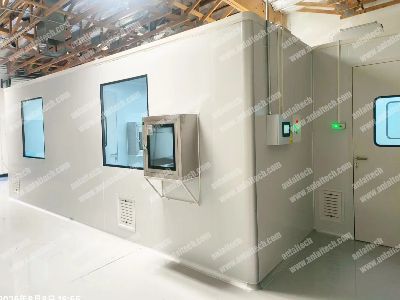
Understanding the complexities of clean room construction is crucial for industries such as pharmaceuticals, food processing, and electronics. This Clean Room Modular Buying Guide will address key factors in selecting panels, filtration systems, and certification standards, ensuring you make informed decisions for your clean room project. With insights derived from industry experience, this guide aims to alleviate common buyer concerns, helping you navigate through the technical specifications and supplier evaluations necessary for a successful clean room installation.
Key Factors to Consider
When purchasing clean room systems, several critical factors must be evaluated to ensure compliance with industry standards and functionality:
Clean Room Classification: Understand the classification standards applicable to your industry (e. g., ISO 14644-1), which define the maximum allowable levels of airborne particles. This will influence your choice of materials and filtration systems.
Material Selection: The choice of materials for clean room panels such as stainless steel, aluminum, or non-metallic options affects durability, ease of cleaning, and resistance to chemical exposure. Select materials based on the specific application and operational environment.
Design and Layout: Consider the design of your clean room, including airflow patterns, access points, and integration with existing infrastructure. A well-thought-out design minimizes contamination risk and maximizes operational efficiency.
Energy Efficiency: Evaluate energy-saving designs and technologies. Efficient air conditioning and filtration systems can significantly reduce operational costs while maintaining the necessary sterile clean room conditions.
Regulatory Compliance: Ensure that all components meet relevant local and international regulations. This is crucial not only for operational success but also for passing inspections.
How to Evaluate Filtration Options for Your Clean Room Project?
Filtration is a cornerstone of clean room design, impacting air quality and compliance. Here’s how to evaluate your options:
Filter Types: Common filter types include HEPA (High-Efficiency Particulate Air) and ULPA (Ultra-Low Penetration Air). HEPA filters can capture at least 99.97% of particles 0.3 microns in diameter, while ULPA filters capture 99.999% of particles down to 0.12 microns. Choose based on the cleanliness level required for your application.
Filter Efficiency: Check the filter's Minimum Efficiency Reporting Value (MERV) rating. A higher MERV rating indicates better filtration efficiency, which is critical in high-tech environments like biopharmaceuticals.
Airflow Resistance: Consider the airflow resistance associated with each filtration option. Filters with higher resistance may require more power to maintain airflow, impacting energy efficiency.
Maintenance and Replacement: Evaluate the ease of maintenance and the frequency of filter replacement. Filters that are complicated to change or require frequent replacement can increase operational downtime and costs.
Supplier Reliability: Source filtration systems from reputable suppliers with a proven track record in clean room design applications. Reliability in supply and performance is essential for maintaining compliance.
Where to Source Reliable Suppliers for Clean Room Equipment?
Finding reliable suppliers for clean room equipment is critical to ensuring quality and compliance. Here are some strategies to identify trustworthy manufacturers:
Industry Connections: Leverage industry networks and associations. Attend trade shows and industry conferences to connect with manufacturers and gather referrals.
Online Research: Utilize online platforms and directories specializing in clean room technology. Look for suppliers with positive reviews, case studies, and certifications that align with your needs.
Qualification Process: Develop a supplier qualification process that includes assessing the supplier’s manufacturing capabilities, quality control processes, and their experience in your specific industry.
Request for Proposals (RFP): Issue a detailed RFP outlining your project requirements, including specifications, delivery timelines, and compliance standards. This will help gauge the suppliers’ capabilities and responsiveness.
Site Visits: If possible, conduct site visits to potential suppliers to observe their manufacturing processes and quality assurance practices. This firsthand experience can provide valuable insights into their operational standards.
Understanding Clean Room Certification Requirements and Standards
Compliance with clean room certification standards is non-negotiable. Here's what you need to know:
ISO Standards: Most clean rooms are built to comply with ISO 14644 standards, which categorize clean rooms based on particle count. Understand which classification is required for your application.
Validation Process: Certification involves validating the clean room’s performance through a series of tests, including airflow visualization and particle count testing. Ensure that your supplier is familiar with these processes.
Documentation: Maintain thorough documentation of all testing and validation procedures. This will be essential for audits and inspections.
Re-certification: Clean rooms require periodic re-certification to ensure ongoing compliance. Factor in the costs and logistics of re-certification into your project planning.
Regulatory Bodies: Depending on your industry, familiarize yourself with specific regulatory bodies (e. g., FDA, EPA) that may impose additional requirements for clean room operations.
Comparing Material Advantages for Clean Room Applications
The material selection for clean room panels can significantly affect performance and compliance. Here are some material options and their advantages:
Stainless Steel: Highly durable and resistant to corrosion and chemicals, stainless steel is ideal for environments that require stringent cleaning standards. It is often used in pharmaceutical and food processing clean rooms.
Aluminum: Lightweight and easy to install, aluminum panels provide good durability and resistance to corrosion. They are suitable for less demanding clean room applications.
Non-Metallic Materials: Options like fiberglass or polycarbonate offer excellent insulation properties and are resistant to chemical exposure. They can be beneficial in environments where traditional metals may corrode.
Composite Materials: These materials combine the benefits of various substances to provide enhanced performance characteristics, such as improved thermal insulation and reduced weight.
Custom Solutions: Many manufacturers, including Anlaitech, offer customization capabilities for clean room panels to meet specific application requirements. Collaborating with a supplier that provides tailored solutions can optimize your clean room performance.
By carefully considering these factors and utilizing the information in this guide, you will be better equipped to make informed decisions about clean room modular systems, ensuring compliance, efficiency, and functionality in your operations.


