 EN
EN


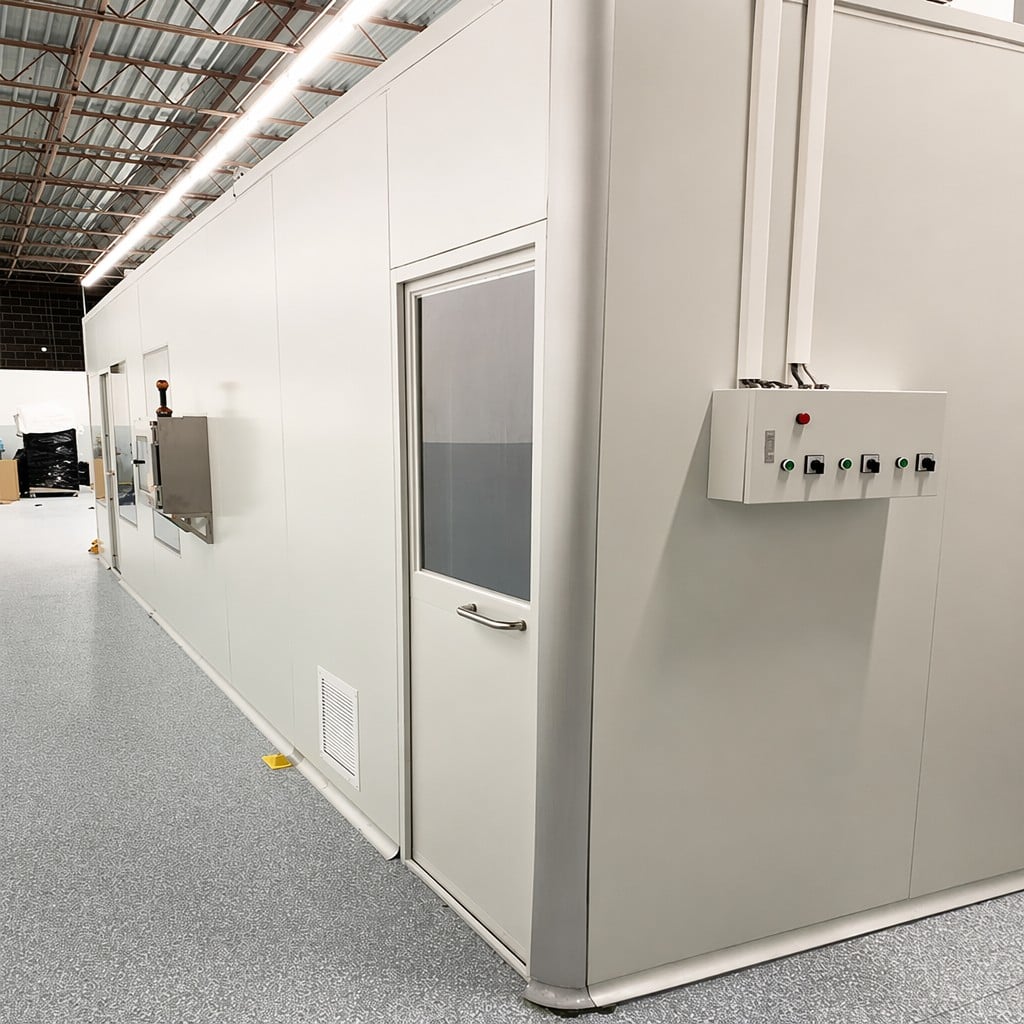
Investing in a custom clean room modular system is a significant decision for businesses in various sectors, including pharmaceuticals, biotechnology, and food production. Understanding the cost factors when investing in such systems is crucial for ensuring that your anlaitech clean room hvac design meets industry standards while remaining budget-friendly. This article will explore the essential cost considerations, enabling you to make informed decisions that align with your operational needs and financial constraints.
Cost Factors to Consider When Sourcing Custom Clean Room Systems
When sourcing a custom clean room modular system, several cost factors come into play. The primary considerations include the design complexity, materials used, and the level of customization required.
Design Complexity: Systems that require sophisticated air filtration and environmental control technologies generally incur higher costs due to their engineering requirements. Designs that integrate advanced features, such as modular walls and adjustable airflow, may also increase the initial investment.
Material Selection: The choice of materials significantly impacts the overall cost. High-quality materials that can withstand sterile environments—such as stainless steel or specialized plastics—often come at a premium. However, investing in durable materials can reduce long-term maintenance and replacement costs.
Customization Level: Tailoring a clean room to meet specific regulatory standards for industries like pharmaceuticals or biotechnology can lead to increased costs. Custom features, such as specific sizes, configurations, and integrated technology, should be carefully evaluated against their necessity and expected return on investment.
Installation and Maintenance: Beyond the initial purchase price, consider the installation costs, which may vary based on site conditions and the complexity of the system. Ongoing maintenance expenses should also be factored in, as these can accumulate over time.
How to Choose the Right Clean Room Modular System for Your Needs?
Selecting the right clean room modular system involves assessing your specific operational requirements and compliance needs. Here are several key steps to guide your decision-making process in purchasing an anlaitech iso standard for clean rooms:
Define Your Requirements: Start by evaluating the intended use of the clean room. Different applications, such as electronics manufacturing or biopharmaceutical production, may require varied cleanroom classifications (ISO levels). This classification will dictate the necessary specifications.
Consult with Experts: Engage with clean room design specialists who can provide insights based on your industry. Their expertise will help you navigate the complexities of regulatory compliance and technical specifications.
Request Prototypes: Before finalizing your decision, request prototypes or samples. This allows you to assess the functionality, materials, and design in real-world scenarios, ensuring they meet your operational needs.
Evaluate Supplier Capabilities: Investigate the manufacturing capabilities of potential suppliers, including their quality control processes and past project experience. A reputable supplier—like Anlaitech—can provide valuable insights and support in tailoring solutions.
Key Specifications to Evaluate in Custom Clean Room Solutions
When assessing custom clean room solutions, several specifications are critical to ensuring that the system meets your operational and regulatory requirements.
Airflow and Filtration: Evaluate the airflow rate, which is crucial for maintaining cleanroom standards. The type of filtration system—such as HEPA or ULPA filters—will also impact performance and costs. Ensure that the filtration system is compatible with the specific cleanroom classification you need.
Temperature and Humidity Control: Depending on your application, the ability to control temperature and humidity levels may be essential. Check the specifications for HVAC systems that can maintain stable conditions.
Sealing and Containment: Analyze the sealing mechanisms of the modular walls. Effective sealing is vital for preventing contamination and maintaining the integrity of the cleanroom environment.
Structural Integrity: Look into the materials and construction methods used. The structural integrity of the clean room must meet both operational demands and safety regulations, which can vary by industry.
Common Installation Challenges and Solutions for Clean Room Systems
Installing a custom clean room modular system can present several challenges. Being aware of these and preparing solutions in advance can save time and costs.
Site Conditions: If the installation site has unique challenges—such as limited space or existing infrastructure—these can complicate the process. Conduct a thorough site assessment before installation to identify potential obstacles.
Coordination with Other Contractors: Often, clean room installation coincides with other construction activities. Poor coordination can lead to delays. Establish clear communication channels among all contractors involved to ensure a smooth installation process.
Regulatory Compliance: Ensuring that the installation meets all relevant local and international regulations is critical. Involve compliance experts early in the planning process to avoid issues later.
Training and Transition: Once installed, staff must be trained to operate and maintain the clean room effectively. Implement a robust training program to ensure that your team understands the system's requirements and protocols.
Evaluating Material Advantages in Clean Room Construction Systems
The materials used in clean room construction significantly influence performance, durability, and maintenance. Here’s how to evaluate material advantages:
Durability: Select materials that can withstand the rigors of a cleanroom environment, including frequent cleaning and exposure to chemicals. Stainless steel and specially coated surfaces are often preferred for their longevity and resistance to contaminants.
Ease of Maintenance: Consider how easy it is to clean and maintain the materials. Smooth surfaces and minimal seams can help reduce dust accumulation and facilitate thorough cleaning.
Compatibility with Sterilization Methods: Depending on your clean room's requirements, ensure that the materials can withstand various sterilization methods, such as chemical or UV sterilization.
Thermal and Acoustic Insulation: Materials also play a role in thermal management and noise reduction. Evaluate how the chosen materials will contribute to maintaining stable temperatures and a conducive working environment. By understanding these cost factors and practical considerations, you can make well-informed decisions when investing in anlaitech iso 5 class 100 cleanroom system. This will not only help you meet regulatory requirements but also enhance operational efficiency in your facility.
Table of Contents
- Cost Factors to Consider When Sourcing Custom Clean Room Systems
- How to Choose the Right Clean Room Modular System for Your Needs?
- Key Specifications to Evaluate in Custom Clean Room Solutions
- Common Installation Challenges and Solutions for Clean Room Systems
- Evaluating Material Advantages in Clean Room Construction Systems


