 EN
EN


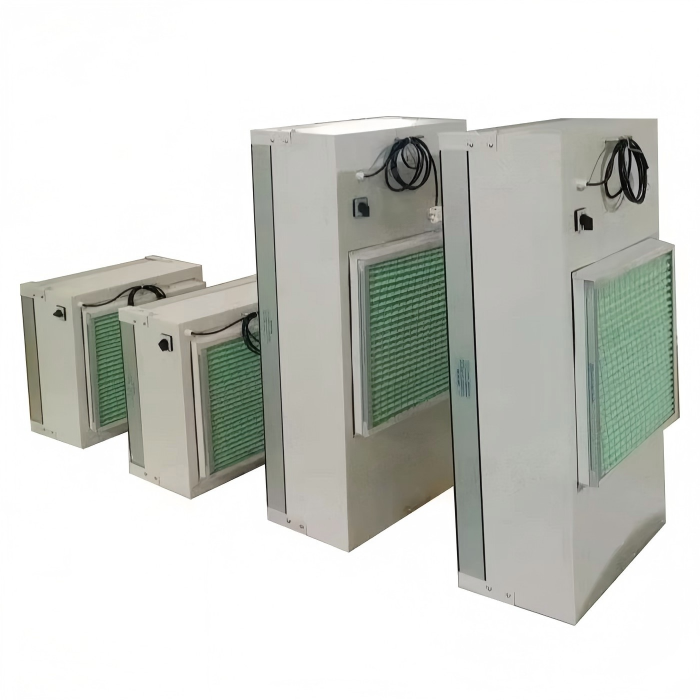
Laminar Air Flow Booths (LAFBs) are specialized equipment designed to create a controlled environment that meets ISO 5 cleanroom standards. These booths are essential in industries where contamination control is critical, such as pharmaceuticals, biotechnology, and electronics manufacturing. This article will guide purchasing managers and engineers through the key aspects of anlaitech laminar air flow cabinet, including their operational standards, purchasing considerations, supplier sourcing, cost factors, and their applications across various industries.
How Laminar Air Flow Booth Ensures ISO 5 Cleanroom Standards?
ISO 5 cleanroom standards require a controlled environment with a maximum allowable particle count of 3,520 particles per cubic meter for particles sized 0.5 micrometers or larger. Laminar Air Flow Booths achieve this by utilizing high-efficiency particulate air (HEPA) filters that remove contaminants from the air.
These booths operate by drawing air through HEPA filters and then directing it in a unidirectional flow, either horizontally or vertically, over the work surface. This airflow pattern effectively sweeps away airborne contaminants, providing a sterile zone for critical operations. Buyers should verify that the booth's filtration system meets the necessary ISO 5 standards, including the efficiency of the HEPA filters, which must have a minimum efficiency of 99.97% at 0.3 micrometers.
Furthermore, regular maintenance and monitoring of airflow velocity are essential to ensure compliance with ISO standards. A pressure gauge or an airflow alarm system can help maintain optimal performance, alerting users to any deviations that might compromise the cleanroom environment.
Wholesale Purchasing Guide for Laminar Air Flow Booth Solutions
When considering wholesale purchases of Laminar Air Flow Booths, buyers should focus on several key factors. First, it’s essential to specify the application requirements, including the size of the booth, airflow patterns, and any additional features such as UV sterilization or integrated lighting.
Next, buyers should evaluate the materials used in the booth's construction. Stainless steel is commonly preferred for its durability and ease of cleaning, but the choice of materials may also depend on specific chemical compatibility or environmental conditions.
It's also advisable to request detailed product specifications and certifications from suppliers, ensuring that their products comply with industry standards and regulations. Buyers might consider bulk purchasing agreements to negotiate better pricing and ensure consistent supply, particularly if they are outfitting multiple facilities.
Lastly, don’t overlook the importance of supplier support services. A reliable supplier should provide installation assistance, training, and ongoing maintenance support to ensure optimal operation of the booths over time.
Where to Source Reliable Laminar Air Flow Booth Suppliers?
Finding reliable suppliers for Laminar Air Flow Booths can significantly impact the quality and performance of your cleanroom environment. Start by researching manufacturers known for their expertise in cleanroom equipment, such as Anlaitech, which specializes in air purification engineering and has extensive experience in various high-tech sectors.
Trade shows, industry conferences, and online marketplaces can be excellent venues for connecting with reputable suppliers. Look for vendors who have positive reviews and strong references from clients in similar industries. Additionally, consider suppliers who offer customization options, as this can help meet specific operational needs.
Requesting samples or prototypes can also provide insights into the supplier's product quality and manufacturing capabilities. Engaging in discussions with multiple suppliers will allow you to compare their laminar flow fume hood offerings, service levels, and pricing structures, ensuring you make an informed choice.
Cost Factors to Consider When Investing in Cleanroom Solutions
Investing in Laminar Air Flow Booths involves several cost considerations beyond the initial purchase price. Key factors include:
Specifications and Customization: Tailored booths designed for specific applications may carry higher costs. Ensure that the specifications match your requirements to avoid overspending on unnecessary features.
Installation and Maintenance: Factor in installation costs, as some suppliers provide this service while others do not. Regular maintenance is also crucial; understand the frequency and costs associated with filter changes and system checks.
Energy Efficiency: Consider the energy consumption of the booth, as energy-efficient models can lead to significant long-term savings. Look for information on energy ratings or efficiencies provided by manufacturers.
Warranty and Support: Evaluate the warranty terms and the level of after-sales support offered. A longer warranty may indicate higher confidence in the product's durability and performance.
Total Cost of Ownership (TCO): Calculate the total cost of ownership over the booth’s lifecycle, including potential downtime, repair costs, and the impact of cleanroom compliance on operational efficiency.
Applications of Laminar Air Flow Booths in Various Industries
Laminar Air Flow Booths are versatile and find applications across multiple industries:
Pharmaceuticals: Used for aseptic processing and research, ensuring contamination-free environments for drug formulation and testing.
Biotechnology: Essential for cell culture work and genetic research, where the risk of contamination must be minimized.
Electronics Manufacturing: Protects sensitive components from dust and particulate contamination during assembly and testing processes.
Food Processing: In applications requiring sterile environments for product handling or packaging, LAFBs help maintain product integrity and safety.
Medical Devices: Critical in the production and assembly of medical devices, where sterility and precision are paramount.
Each application may require unique configurations of the anlaitech laminar flow clean room Booth, and potential buyers should assess their specific needs to ensure the selected solution is appropriate.
By understanding these critical factors, buyers will be better equipped to select the right Laminar Air Flow Booths that meet ISO 5 standards, ensuring a clean and controlled environment for their operations.
Table of Contents
- How Laminar Air Flow Booth Ensures ISO 5 Cleanroom Standards?
- Wholesale Purchasing Guide for Laminar Air Flow Booth Solutions
- Where to Source Reliable Laminar Air Flow Booth Suppliers?
- Cost Factors to Consider When Investing in Cleanroom Solutions
- Applications of Laminar Air Flow Booths in Various Industries


