 EN


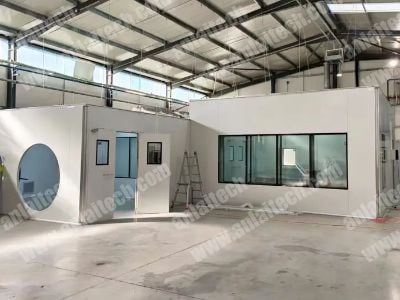
Modular cleanrooms are increasingly gaining traction among various industries, particularly for those requiring ISO 8 compliance. These prefabricated structures offer a streamlined approach to deploying clean environments, making them an attractive option for B2B buyers. This article explores how modular builds simplify the deployment of ISO 8 cleanrooms onsite, addressing crucial buyer concerns such as specifications, costs, and common challenges, while also providing practical insights to aid in effective purchasing decisions
Key Benefits of Modular Cleanrooms for Wholesale Buyers
Modular class 1k cleanrooms present several advantages that appeal to wholesale buyers, particularly in industries like medical, biopharmaceutical, and food processing. Firstly, the quick installation process significantly reduces downtime. Traditional cleanroom construction can take months, while modular systems can often be set up in a matter of weeks. This expedited timeline allows businesses to meet critical deadlines and respond swiftly to market demands
Another benefit is the flexibility of the design. Modular cleanrooms can be configured to meet specific operational requirements, accommodating changes in production lines or evolving regulatory standards. This adaptability is particularly important for companies in fast-paced sectors that must pivot quickly to meet new challenges
Additionally, modular cleanrooms are typically more cost-effective than their traditional counterparts. The controlled manufacturing environment reduces waste and optimizes material usage, which can lead to lower overall project costs. For wholesale buyers, this means better pricing on bulk orders and a clearer understanding of total expenditure, allowing for more accurate budgeting
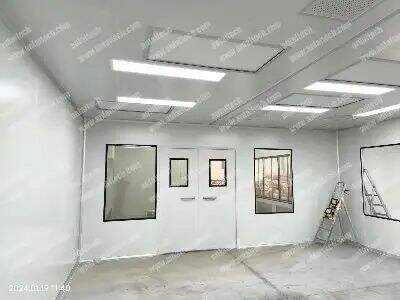
Comparing ISO 8 Cleanroom Specifications for Your Projects
When evaluating ISO 8 cleanrooms, understanding the specifications is paramount. Key specifications to consider include air cleanliness standards, airflow patterns, and material composition. The ISO 8 standard requires a maximum of 3,520 particles per cubic meter of air for particles ≥0.5 micrometers, which sets the baseline for cleanroom air quality
Airflow is another critical factor; cleanrooms often use a combination of laminar and turbulent airflow to ensure uniform conditions. Buyers should verify that the cleanroom design incorporates the appropriate airflow dynamics to maintain the necessary environment for their specific applications
Material selection also plays a significant role in the cleanroom's performance. Common materials include stainless steel, which is resistant to corrosion and easy to clean, and non-porous surfaces that minimize contamination risks. Ensure that the chosen materials meet relevant industry standards and certifications, as these can impact both performance and compliance
Cost Factors to Consider When Sourcing Modular Cleanrooms
Cost considerations for modular class 1000 cleanrooms extend beyond the initial purchase price. While the modular nature often leads to lower upfront costs due to reduced labor and construction time, buyers must also account for ongoing operational costs. Energy efficiency is a vital factor; advanced air conditioning and purification systems can lead to significant long-term savings
Additionally, consider the total cost of ownership, which includes maintenance, upgrades, and potential expansions. It's advisable to discuss customization options with suppliers, as tailored features may add to the initial cost but provide greater value over time
Buyers should also be aware of the minimum order quantities (MOQ) when sourcing modular cleanrooms. Depending on the manufacturer, MOQs can vary significantly, impacting overall project budgets. Engaging in discussions early in the sourcing process can help clarify these costs and lead to better negotiations
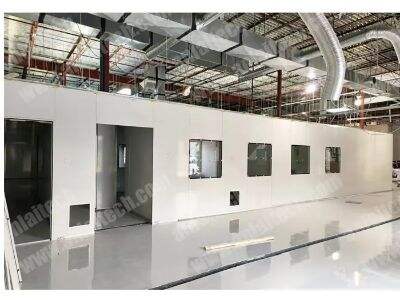
Common Problems with Cleanroom Deployments and Effective Solutions
Despite the advantages of modular cleanrooms, certain challenges may arise during deployment. One common issue is inadequate site preparation, which can lead to delays and increased costs. Buyers should ensure that the site meets all requirements before installation begins, including structural support and utility access
Another frequent problem is miscommunication regarding cleanroom specifications. Buyers should provide detailed requirements and engage in thorough discussions with suppliers to ensure that all parties have a clear understanding of expectations. It is also prudent to request samples or mock-ups to verify that the final product aligns with the initial design
Finally, buyers should be prepared for potential regulatory compliance issues. Each industry has specific standards that must be adhered to, and failure to meet these can result in costly delays or rework. Collaborating with the supplier on compliance documentation early in the process can mitigate these risks
Applications of Modular Cleanrooms in Various Industries
Modular cleanrooms are versatile and can be adapted for various applications across multiple industries. In the pharmaceutical sector, they are crucial for maintaining sterile conditions during drug formulation and packaging. The ability to customize airflow and pressure differentials is essential for compliance with FDA regulations
In the semiconductor industry, modular class 10000 cleanrooms facilitate the production of sensitive electronic components, where even minor contamination can lead to significant defects. Here, the controlled environment is critical for maintaining product integrity and yield rates
Food manufacturing also benefits significantly from modular cleanrooms, particularly in areas requiring strict hygiene standards. These cleanrooms help prevent contamination during processing and packaging, ensuring that products meet health regulations
By understanding the specific applications and requirements of modular cleanrooms, buyers can ensure that they select the best solution for their needs, enhancing efficiency and compliance in their operations
In summary, modular builds simplify the deployment of ISO 8 cleanrooms onsite by offering flexibility, efficiency, and cost-effectiveness. Understanding key specifications, cost factors, common deployment challenges, and industry applications can equip buyers with the knowledge needed to make informed purchasing decisions


