 EN
EN


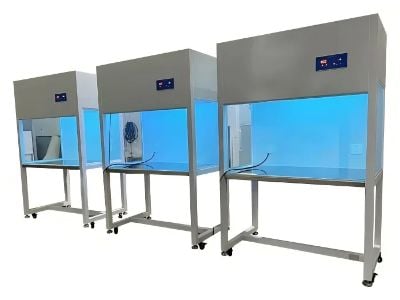
A Laminar Air Flow Booth is a specialized equipment designed to create localized clean zones, ensuring controlled environments for laboratory and assembly work. These booths are essential for various industries where contamination control is critical, such as in biopharmaceuticals, electronics, and food production. Buyers often have concerns about the performance, quality, and installation of these booths. This article will provide insights into selecting the right Laminar Air Flow Booth, evaluating quality, understanding applications, troubleshooting common issues, and installation guidance.
What to Consider When Choosing a Laminar Air Flow Booth for Your Needs?
When selecting a Laminar Air Flow Booth, several critical factors should be taken into account. First, consider the type of airflow: horizontal or vertical. Horizontal airflow booths are generally preferred for larger workspaces, while vertical airflow booths are ideal for processes requiring more localized airflow.
Next, assess the booth's size. The dimensions should accommodate not only the equipment being used but also allow for movement and comfortable operation. Pay attention to the filter type as well; HEPA filters are standard for most applications, but in some cases, ULPA filters may be required for higher cleanliness standards. Another key consideration is the booth’s construction materials. Stainless steel is a common choice due to its durability and ease of cleaning. Additionally, check for energy efficiency features, as energy-saving designs can significantly reduce operational costs over time.
Lastly, verify the manufacturer's customization capabilities, as specific applications may require tailored solutions. Understanding your requirements and discussing them with potential suppliers can help ensure the right fit for your operational needs.
How to Evaluate the Quality of Laminar Air Flow Booths for Your Projects?
To ensure that a Laminar Air Flow Booth meets your quality standards, start by reviewing certifications and compliance with industry standards. Look for products that comply with ISO 14644-1 for cleanroom classifications and other relevant guidelines specific to your industry. Examine the material and construction quality. High-quality booths should be made from corrosion-resistant materials like stainless steel, which is essential for maintaining a sterile environment. Additionally, assess the filter efficiency, as the effectiveness of HEPA or ULPA filters directly impacts air cleanliness.
Conduct a thorough inspection of the booth’s design. Check for features like seamless construction, smooth surface finishes, and proper sealing, which are vital for preventing leaks and ensuring optimal performance. Requesting samples or visiting existing installations can also provide insights into the booth's functionality and reliability. Don't overlook the importance of the manufacturer’s quality control processes. A reputable manufacturer should offer detailed documentation on their testing and inspection methods, ensuring that every unit shipped meets the promised specifications.
Applications of Laminar Air Flow Booths in Laboratory and Assembly Work
Laminar Air Flow Booths are widely used in various applications where contamination control is crucial. In laboratory settings, they provide a controlled environment for procedures such as microbiological testing, sample preparation, and tissue culture. Their ability to filter airborne contaminants ensures that sensitive experiments yield reliable results. In assembly work, particularly in the electronics and biopharmaceutical sectors, these booths protect products from airborne particles that could compromise quality. For instance, in semiconductor manufacturing, even minor contamination can lead to product failure, making clean zones essential. Additionally, laminar air flow cabinet Booths are utilized in food processing environments to ensure hygiene and safety. They help maintain clean surfaces and protect products during packaging and handling, thus complying with health regulations. Understanding the specific application requirements can help guide the selection of the appropriate booth type and configuration, ensuring optimal performance.
Common Problems with Laminar Air Flow Booths and Their Solutions
While Laminar Air Flow Booths are designed for reliability, users may encounter common issues. One frequent problem is inadequate airflow, which can occur due to clogged filters. Regular maintenance and timely filter replacements are crucial to ensure that airflow remains consistent and effective.
Another issue is the improper sealing of the booth, which can lead to contamination. Buyers should check for any gaps or defects during installation. If leaks are detected, they should be addressed immediately to maintain the booth's integrity. Temperature fluctuations can also affect performance. Buyers should evaluate the booth's HVAC system to ensure that it maintains the necessary temperature and humidity levels for their specific applications. Regular calibration and maintenance of these systems are necessary for optimal operation. Lastly, user training can significantly impact the effectiveness of a Laminar laminar air flow cabinet. Ensuring that all personnel are adequately trained on proper usage, maintenance, and cleanliness protocols can prevent many common issues.
Installation Guidance for Optimal Performance of Laminar Air Flow Booths
Proper installation of a Laminar Air Flow Booth is critical for achieving optimal performance. Begin with a thorough site assessment to determine the best location for the booth. Ensure it is placed in a controlled environment, away from any sources of contamination like doors, windows, or HVAC vents.
During installation, follow the manufacturer's guidelines meticulously. This includes ensuring that the booth is level, securely anchored, and that all electrical connections are properly made. It’s also essential to conduct laminar air flow hood tests before the booth goes into operation, verifying that it meets the required specifications. After installation, implement a regular maintenance schedule. This should include routine inspections of filters, seals, and electrical components. Keeping detailed maintenance records can help identify patterns or recurring issues, facilitating proactive problem-solving. Lastly, consider setting up a training session for staff on the booth’s operation and maintenance requirements. This ensures that everyone understands how to use the equipment effectively and keeps the clean zone functioning properly. By taking these steps, buyers can maximize the investment in their Laminar Air Flow Booth, ensuring it serves its purpose effectively in their operations.
Table of Contents
- What to Consider When Choosing a Laminar Air Flow Booth for Your Needs?
- How to Evaluate the Quality of Laminar Air Flow Booths for Your Projects?
- Applications of Laminar Air Flow Booths in Laboratory and Assembly Work
- Common Problems with Laminar Air Flow Booths and Their Solutions
- Installation Guidance for Optimal Performance of Laminar Air Flow Booths


