 ×
×
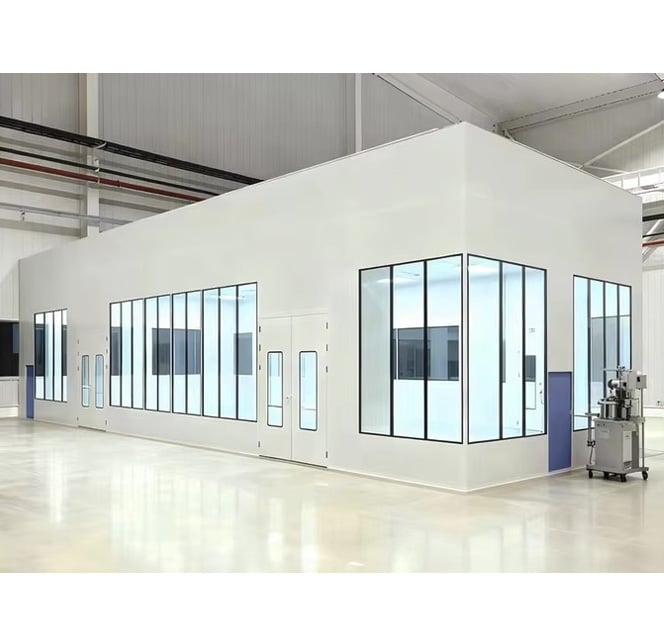
What is an HVAC Cleanroom System and Why is it Essential for Your Business? An HVAC cleanroom system is designed to control the environment in a specific area. It keeps the air clean and at the right temperature and humidity. This is especially important in industries like pharmaceuticals, aerospace, and microelectronics. For example, if you are making a new type of medicine, even a tiny speck of dust can ruin the whole batch. That’s why cleanrooms use special filters to trap dust and other particles. Anlaitech creates systems that ensure the air is filtered and circulated properly. This means that workers can do their jobs without worrying about contamination. Companies that do not invest in cleanroom systems may find their products fail or their work slowed down. This can be very costly. In addition, having a cleanroom can help meet strict regulations that many industries face. It shows that a company cares about quality and safety, which can attract more customers and improve business reputation.
What Are the Key Benefits of Investing in an HVAC Cleanroom System? There are many great reasons to invest in an HVAC cleanroom system. First, it helps improve product quality. When the air is clean, the chances of defects in products go down. This means fewer returns and happier customers. Second, it can save money in the long run. Although the initial cost of setting up a cleanroom can be high, the savings from reducing waste and improving efficiency are worth it. Companies can produce more good products in less time. Third, having a cleanroom helps companies stay compliant with laws and regulations. This is very important in industries like healthcare, where safety is key. Our HVAC cleanroom systems also help create a better working environment. Workers feel safer and more comfortable when they know they are in a clean space. In turn, this can lead to improved productivity and morale. Finally, investing in a cleanroom modular system shows that a company is serious about quality. This can help attract new clients, build trust, and stand out in a competitive market.
HVAC cleanroom systems are very important in places where the air must be super clean, like in hospitals, labs, and factories that make electronic parts. These systems help keep the air free of dust, germs, and other tiny things that can cause problems. When we talk about compliance with industry standards, we mean that these systems must follow certain rules and guidelines to be safe and effective. Companies like Anlaitech design their HVAC cleanroom systems to meet these strict standards. They do this by using special filters that can catch even the smallest particles. High-Efficiency Particulate Air (HEPA) filters are often used for this purpose because they can trap 99.97% of particles that are 0.3 microns in size. This is really important in a cleanroom where any tiny particle can spoil a product or affect experiments.
Another way these systems ensure compliance is by controlling temperature and humidity. In many industries, the right temperature and moisture levels are crucial for keeping products safe and effective. Our systems are designed to monitor and adjust these levels automatically. If the temperature rises too high or if the air is too wet, the system will kick in to change it back to the right levels. This constant monitoring helps to ensure that the cleanroom stays within the required limits, making it easier for companies to pass inspections and keep their products safe. Moreover, maintaining airflow is also a key part of compliance. Cleanroom systems need to have a certain amount of air changes per hour to keep the air clean. We ensure that its systems can deliver the right amount of clean air consistently, which is essential for keeping the workspace safe for workers and products alike.
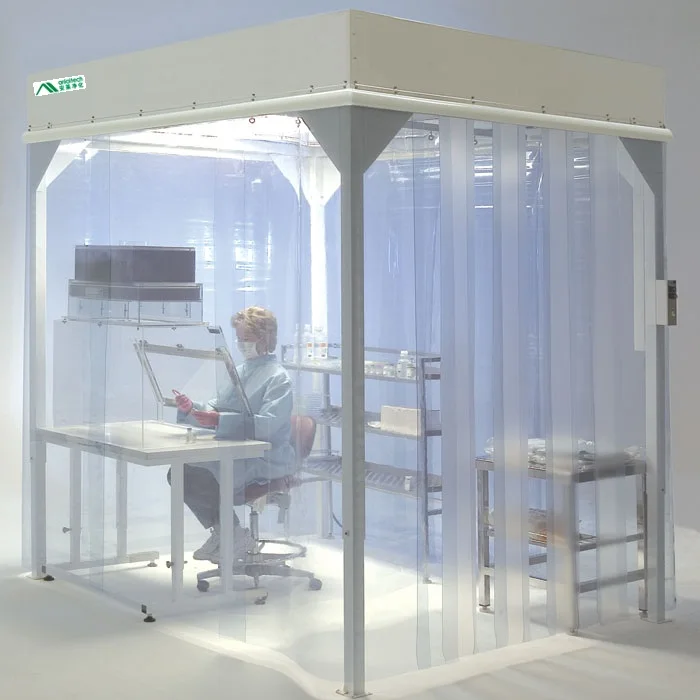
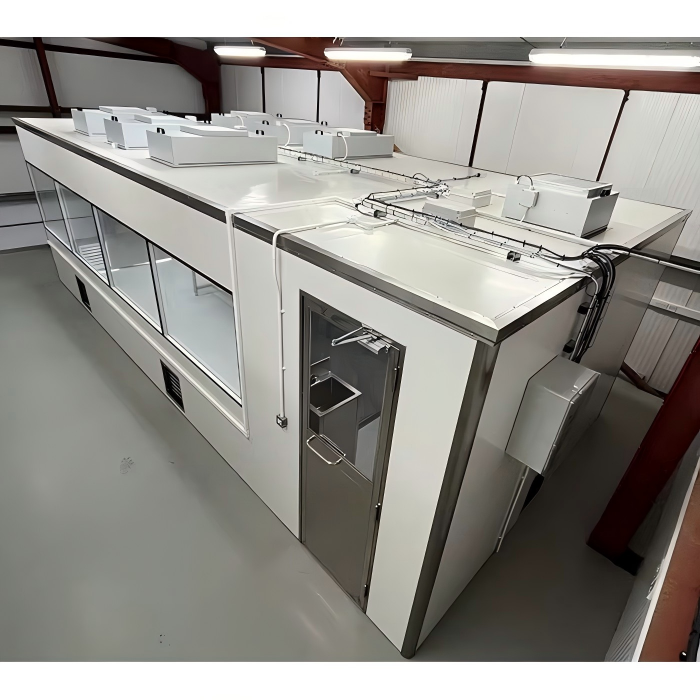
Upgrading your HVAC cleanroom system is an important decision that can affect the quality of your work. When thinking about an upgrade, it's essential to consider several factors. First, you should look at the size of your softwall modular cleanrooms. If you have a larger space, you may need a more powerful system to keep the air clean and fresh. We can help you determine the right size needed for your cleanroom, ensuring that it meets all the requirements. Another thing to think about is the type of work being done in the cleanroom. Different industries have different needs. For example, a lab that works with sensitive materials may need stricter air quality standards than a factory that makes standard products. Anlaitech offers customized solutions to meet these specific needs.
Next, consider the energy efficiency of the new system. Older systems can use a lot of energy, which can lead to high bills. Upgrading to a more energy-efficient HVAC system can save money in the long run. Our systems are designed to use less energy while still providing the clean air needed for your cleanroom. This not only helps the environment but also lowers operating costs. Additionally, think about the controls and automation features of the system. Modern HVAC systems can come with smart technology that allows you to monitor and control the air quality from a smartphone or computer. This can make it easier to keep everything in check. Lastly, it's important to consider the installation and maintenance of the new system. We can provide support for both installation and ongoing maintenance, ensuring that your cleanroom continues to meet the necessary standards over time.
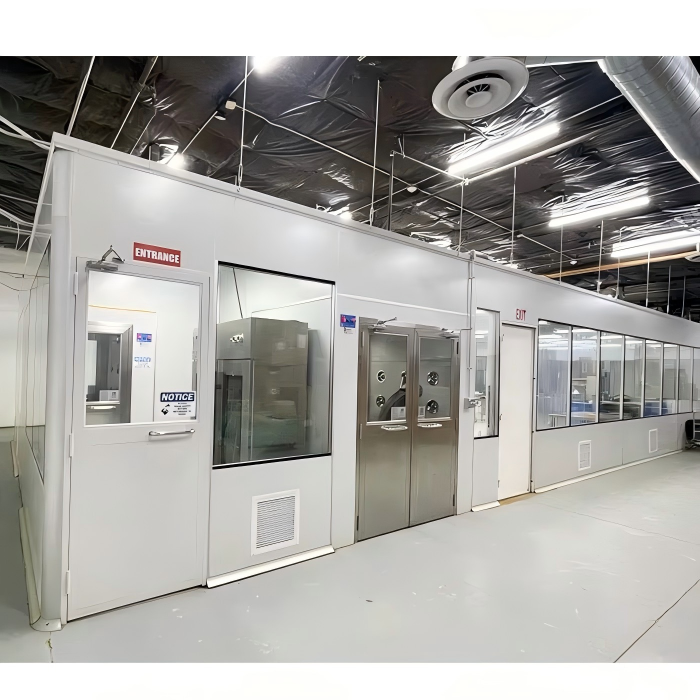
The world of HVAC cleanroom technology is always changing, and new innovations are making cleanrooms safer and more efficient. One exciting development is the use of advanced sensors that can detect air quality in real-time. These sensors can measure things like temperature, humidity, and the level of airborne particles. Our company are integrating these sensors into their systems, allowing for more precise control of the modular cleanroom wall panels environment. When the sensors detect any changes in the air quality, they can automatically adjust the HVAC system to keep everything within the required limits. This means that workers can focus on their tasks without worrying about the air quality.


 EN
EN