 EN
EN


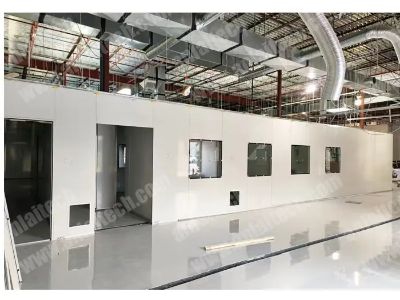
Clean room laboratories are critical environments designed to minimize airborne particles and contaminants, essential for various industries such as pharmaceuticals, biopharmaceuticals, LED manufacturing, and food processing. These facilities rely on advanced filtration, pressure control, and particle level management to ensure optimal production conditions. For purchasing managers and engineers, understanding the intricacies of clean room laboratory filtration systems, including their specifications and installation processes, is crucial for making informed decisions. This article aims to provide practical insights into selecting the right clean room filtration system, key specifications to consider, top suppliers, installation guidelines, and common issues faced in clean rooms, alongside effective solutions
Choosing the Right Clean Room Filtration System for Your Needs
When selecting a class 100k clean room filtration system, the first step is to assess the specific requirements of your facility. Factors such as the type of contaminants to be controlled, the desired air cleanliness class, and the operational processes involved will influence your choice of filtration system
HEPA (High-Efficiency Particulate Air) filters are commonly used to capture particles as small as 0.3 microns with an efficiency of 99.97%. For environments demanding even higher standards, ULPA (Ultra-Low Penetration Air) filters are available, which can trap 99.999% of particles down to 0.12 microns. Understanding the particle size distribution relevant to your processes is essential for effective filtration
Additionally, consider the airflow requirements and pressure differentials within your clean room. Systems must be designed to maintain the necessary air changes per hour (ACH) while preventing contamination from pressure fluctuations. The overall system layout, including the placement of filters, fans, and ductwork, should facilitate optimal airflow and minimize dead spots
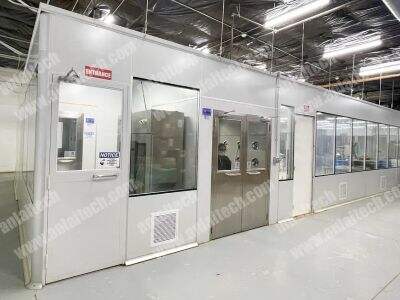
Key Specifications to Consider
When evaluating clean room filtration systems, several key specifications should be prioritized
Filtration Efficiency: As mentioned, the efficiency rating of filters (HEPA or ULPA) is paramount. Ensure that the system selected meets or exceeds the required filtration standards for your specific application
Airflow Capacity: The system's airflow capacity, measured in cubic feet per minute (CFM), must align with the clean room's volume and the desired air exchange rate. Insufficient airflow can lead to contamination risks
Pressure Drop: The pressure drop across the filter is crucial for maintaining system efficiency. High pressure drops can strain the HVAC system, leading to increased energy consumption and potential system failure
Material Compatibility: Materials used in the filtration system should be compatible with the chemicals and processes in your clean room. This is particularly important in industries such as pharmaceuticals and food, where material degradation can lead to contamination
Maintenance Requirements: Understanding the maintenance needs of the filtration system can help prevent downtime. Systems with easily accessible filters can simplify routine inspections and replacements
Top Suppliers to Trust
Selecting a reputable supplier is vital for ensuring the quality and reliability of your class 10000 clean room filtration system. Anlaitech, a leading Chinese manufacturer with extensive experience in clean room equipment, stands out for its commitment to advanced technology, energy-saving designs, and efficient project management. The company serves numerous multinational clients across various high-tech sectors, ensuring that their systems meet rigorous industry standards
When evaluating suppliers, consider their track record in your specific industry, the breadth of their product offerings, and their ability to provide customization options. Additionally, look for suppliers who can demonstrate their experience in successfully executing similar projects, as this can significantly minimize potential risks
Installation Guidelines for Clean Room Filtration and Pressure Systems
Proper installation of clean room filtration and pressure systems is crucial for optimal performance. Here are some guidelines to follow
Site Preparation: Ensure the installation site is clean and free from dust and contaminants. The area should be organized to facilitate the smooth movement of equipment and personnel
System Layout: Follow the design specifications closely to maintain the intended airflow patterns. Pay special attention to the placement of filters and fans to avoid dead zones where contaminants may accumulate
Sealing and Insulation: Proper sealing of joints and connections is essential to maintain pressure differentials and prevent leaks. Insulation may be needed to minimize energy loss, especially in temperature-sensitive environments
Testing: After installation, conduct rigorous testing of the system to confirm that it meets airflow and pressure specifications. This may include smoke tests to visualize airflow patterns and ensure there are no bypasses around filters
Documentation: Maintain thorough documentation of the installation process, including any deviations from the original plan. This will assist in future maintenance and troubleshooting
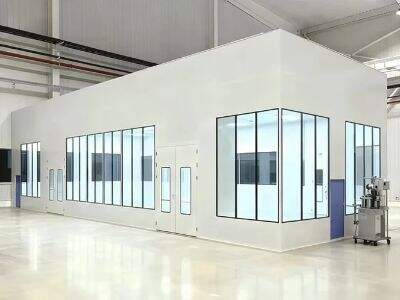
Common Problems in Clean Rooms and Effective Solutions
Clean rooms face several common challenges that can impact their performance and integrity
Filter Clogging: Over time, filters can become clogged with particles, reducing airflow and increasing pressure drop. Regular monitoring and scheduled replacements are essential to mitigate this issue. Implementing a predictive maintenance program can also help identify when filters are nearing their capacity
Pressure Instability: Pressure fluctuations can lead to contamination risks. Ensure that the HVAC system is correctly calibrated and equipped with a reliable pressure monitoring system. Installing pressure relief valves can also help manage sudden increases in pressure
Contamination Events: Unforeseen contamination can occur due to personnel movement, equipment introduction, or material transfers. Implementing strict gowning procedures and using air showers can help minimize the risk of introducing contaminants
Inadequate Airflow: If airflow is insufficient, it can lead to dead zones and contaminate processes. Regular assessments of airflow patterns and prompt adjustments to the HVAC system can help maintain optimal conditions
By addressing these common issues with proactive measures and regular maintenance, 1k clean room operators can ensure a consistently high level of cleanliness and compliance with industry standards
In summary, understanding the complexities of clean room laboratory filtration, pressure control, and particle management is essential for B2B buyers in high-tech industries. By focusing on specific needs, evaluating key specifications, and partnering with trusted suppliers like Anlaitech, purchasing managers can make informed decisions that contribute to operational success


