 EN
EN


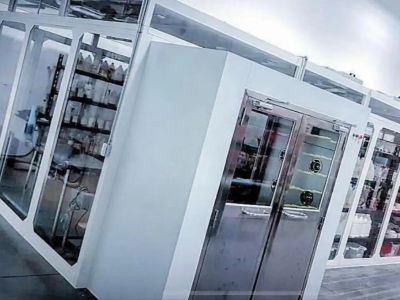
Establishing a GMP-compliant clean room laboratory for R&D work is crucial for industries such as pharmaceuticals, biotechnology, and electronics. It ensures that the environment meets stringent regulatory standards for cleanliness and safety. As a potential buyer, you may be concerned about specifications, compliance, costs, and supplier reliability. This article will guide you through the key aspects of specifying a GMP-compliant clean room laboratory, providing insights to help you make informed purchasing decisions
How to Choose the Right GMP-Compliant Clean Room Laboratory
Selecting the appropriate GMP-compliant clean room laboratory requires a thorough understanding of your specific needs. Start by assessing your intended application—whether it’s for biopharmaceutical testing, semiconductor manufacturing, or food safety. Each application has distinct cleanliness and environmental control requirements
Next, consider the clean room classification, which defines the allowable level of particulate contamination in the air. The ISO classification system (ranging from ISO 1 to ISO 9) is commonly used, with lower numbers indicating cleaner environments. For example, an ISO 5 clean room allows no more than 3,520 particles per cubic meter, making it suitable for high-stakes environments like sterile drug manufacturing
Lastly, evaluate the layout and design of the clean room. Ensure it accommodates your operational workflow, equipment, and personnel movement. A well-designed clean room minimizes contamination risks while maximizing efficiency
What Specifications Are Essential for GMP Clean Room Compliance
When specifying a GMP-compliant clean room, several key specifications must be addressed to ensure compliance. These include
Air Quality and Filtration: The clean room should have a robust air handling system with HEPA or ULPA filters to maintain air quality. The type of filter will depend on the required cleanliness levels. Regular monitoring of airflow, pressure differentials, and filter integrity is also critical
Temperature and Humidity Control: Maintaining specific temperature and humidity ranges is vital for many applications. For instance, biopharmaceutical environments often require strict temperature controls to ensure product integrity. The specifications should detail the acceptable ranges and the systems in place to maintain these conditions
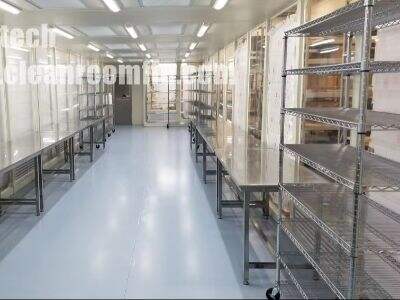
Materials and Construction: The materials used for walls, floors, and ceilings must be non-porous and easy to clean. Common materials include stainless steel, epoxy-coated surfaces, and specialized polymers. Ensure that the construction materials are compatible with your intended applications and can withstand the required cleaning processes
Monitoring and Control Systems: Specifications should include integrated monitoring systems for real-time data collection on environmental parameters such as particulate levels, temperature, and humidity. Automated control systems can enhance compliance and operational efficiency
Validation Requirements: It is essential to establish protocols for validation of the clean room environment before it becomes operational. This includes performance qualification (PQ) and installation qualification (IQ) to ensure all systems function as intended
Quality and Cost Considerations
When budgeting for a GMP-compliant clean room portable laboratory, consider both initial investments and long-term operational costs. The initial setup will include construction, equipment purchases, and installation of HVAC and filtration systems. Customization for specific applications can increase costs but may be necessary for compliance with regulatory standards
Operational costs, including energy consumption, maintenance, and labor, should also be factored into your budget. Energy-efficient designs can provide significant savings over time. For instance, advanced HVAC systems with variable speed drives can optimize energy use while maintaining required air quality
Buyers should also consider the costs associated with regular maintenance and potential upgrades, especially as technologies evolve and regulations change. A supplier that offers ongoing support and maintenance services can help mitigate these long-term costs
Where to Source Reliable Suppliers for Clean Room Laboratories
Finding reliable suppliers for clean room laboratories involves evaluating their experience, capabilities, and product offerings. Start by researching manufacturers with a proven track record in clean room technology. Look for companies that specialize in GMP-compliant environments and have experience in your specific industry
Requesting references and case studies from potential suppliers can provide insights into their reliability and quality of service. Additionally, consider suppliers that offer comprehensive solutions, including design, installation, and maintenance services. This can streamline the process and ensure consistency throughout the clean room lifecycle
Trade shows and industry conferences are excellent venues for meeting suppliers and seeing their products firsthand. Engaging with industry peers can also provide valuable recommendations based on personal experiences
Solutions to Common Problems in GMP Clean Room Design
Designing a GMP-compliant clean room hepa fan filter unit can present various challenges, but understanding common problems can help mitigate them. One frequent issue is contamination control. To minimize risks, implement strict protocols for personnel entry and gowning procedures. Airlocks and gowning rooms are essential features to include in your design
Another common challenge is maintaining consistent environmental conditions. Inadequate airflow or improper placement of equipment can lead to hotspots or dead zones. Conducting a thorough airflow analysis during the design phase can help identify potential issues before construction begins
Communication with suppliers regarding your specific needs and challenges can also yield better solutions. Experienced manufacturers, like Anlaitech, can offer insights based on their extensive expertise in clean room design and operation, helping you avoid common pitfalls
Specifying a GMP-compliant clean room laboratory for R&D work involves careful consideration of several key factors, including application requirements, compliance specifications, and cost implications. By understanding these components and sourcing reliable suppliers, you can ensure that your clean room will meet the stringent demands of your industry, supporting successful operations and product integrity


