 EN
EN


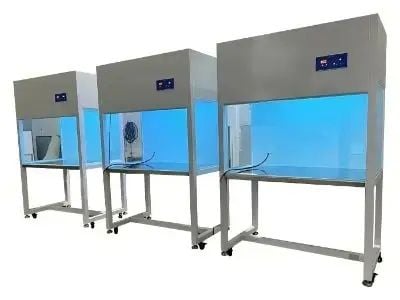
Maintaining the longevity and efficiency of laminar air flow booth units is critical for businesses in industries such as pharmaceuticals, food production, and electronics. Proper maintenance not only extends the service life of these units but also ensures compliance with stringent air quality standards. This article provides essential maintenance tips to extend service life of laminar air flow booth units, addressing key concerns for procurement managers, engineers, and facility managers
Maintenance Strategies for Prolonging Laminar Air Flow Booth Lifespan
To ensure the optimal performance of laminar air flow hood booths, regular maintenance is essential. Here are some effective strategies
Regular Filter Replacement: The filters in laminar air flow booths capture airborne particles, ensuring clean air circulation. Depending on usage, these filters should be replaced every 6 to 12 months. Regular checks can help identify when filters are becoming clogged, which can impede air flow and lead to reduced efficiency
Scheduled Cleaning: Clean the booth’s interior surfaces regularly to prevent contamination buildup. Use approved cleaning agents that do not damage the booth's materials. A clean environment not only enhances performance but also prolongs the equipment's life
Inspection of Components: Regularly inspect the booth's components, including fans, motors, and seals. Look for signs of wear and tear that could indicate a need for repair or replacement. Early detection of issues can prevent more significant problems down the line
Calibration Checks: Periodically check and calibrate the airflow and pressure settings. This ensures that the booth operates within the specified parameters, maintaining the necessary cleanroom environment
Training for Personnel: Ensure that all personnel working with laminar air flow booths are trained in proper usage and maintenance practices. An informed team can help in identifying potential issues before they escalate
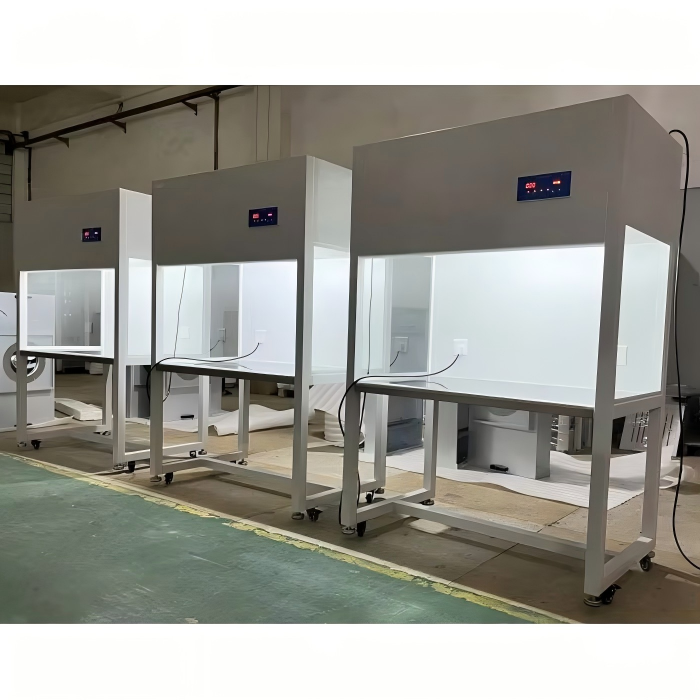
How to Choose the Right Laminar Air Flow Booth for Your Needs
Selecting the appropriate laminar air flow booth is crucial to meeting your operational requirements. Consider these factors
Application Requirements: Identify the specific needs of your application. Different industries may require different specifications, such as HEPA filter types, airflow rates, and booth sizes. For example, pharmaceutical applications may require stricter controls than those in food production
Size and Configuration: Measure the space where the booth will be installed. Ensure that the size of the booth fits within your operational layout. Consider whether you need a horizontal or vertical flow design based on your workflow and workspace organization
Material Specifications: Constructed materials can affect durability and maintenance needs. Stainless steel is often preferred for its resistance to corrosion, while powder-coated finishes may offer additional protection against wear and tear
Customization Capabilities: Engage with suppliers who offer customization options. This could include variations in size, air flow rates, or additional features like monitoring systems that can alert you to performance issues
Key Specifications to Consider for Laminar Air Flow Booth Units
Understanding the critical specifications of laminar air flow machine booths can help you make informed decisions. Here are the key specifications to evaluate
Airflow Velocity: Measured in feet per minute (FPM), the airflow velocity should be appropriate for your application. A typical range for laminar flow booths is between 70 and 100 FPM. Higher velocities may be required for certain sensitive processes
Filter Efficiency: HEPA filters typically have an efficiency rate of 99.97% for particles as small as 0.3 microns. Ensure that the filters meet the required standards for your specific industry to maintain air quality
Noise Levels: Depending on your facility’s layout, noise levels may be a concern. Check the noise ratings of the units to ensure that they meet occupational safety regulations and do not disrupt work processes
Power Consumption: Energy efficiency is a growing concern in industrial operations. When selecting a booth, consider its power consumption, as energy-efficient models can significantly reduce operational costs
Installation Guidance for Optimal Performance of Air Flow Booths
Proper installation is vital for the performance and longevity of laminar air flow booths. Follow these guidelines
Site Preparation: Ensure the installation site is clean and free of contaminants. The booth should be placed in a stable, level position to avoid any operational issues
Electrical and Ventilation Considerations: Verify that the electrical supply meets the booth’s requirements. Ensure proper ventilation around the booth to maintain optimal airflow and reduce heat buildup
Professional Installation: While some facilities may opt for in-house installation, it is often advisable to engage professionals with experience in cleanroom equipment. They can ensure that the booth is installed according to manufacturer specifications and industry standards
Testing After Installation: Conduct a thorough inspection and testing of the booth after installation. This includes checking airflow rates and filter integrity to ensure everything is functioning as intended
Advantages of Quality Materials in Laminar Air Flow Booth Construction
The materials used in the construction of laminar air flow cabinet booths significantly impact their performance and lifespan. Here’s why quality materials matter
Durability: High-quality materials, such as stainless steel and high-grade plastics, are resistant to corrosion and wear. This durability translates to a longer lifespan and fewer maintenance requirements
Hygiene and Cleanability: Materials that are easy to clean and resistant to bacterial growth are essential for maintaining a sterile environment. Smooth surfaces and non-porous coatings can enhance cleanliness and reduce contamination risks
Thermal and Acoustic Insulation: Quality materials can provide better thermal and acoustic insulation, improving operational efficiency and comfort in the working environment
Cost-Effectiveness: While quality materials may come with a higher initial cost, their durability and lower maintenance needs can lead to significant savings over time. The total cost of ownership should be a key consideration in your purchasing decision
By implementing these maintenance tips and considerations when purchasing laminar air flow booths, you can ensure that your investment serves your operational needs effectively while maintaining compliance with industry standards
Table of Contents
- Maintenance Strategies for Prolonging Laminar Air Flow Booth Lifespan
- How to Choose the Right Laminar Air Flow Booth for Your Needs
- Key Specifications to Consider for Laminar Air Flow Booth Units
- Installation Guidance for Optimal Performance of Air Flow Booths
- Advantages of Quality Materials in Laminar Air Flow Booth Construction


