 EN
EN


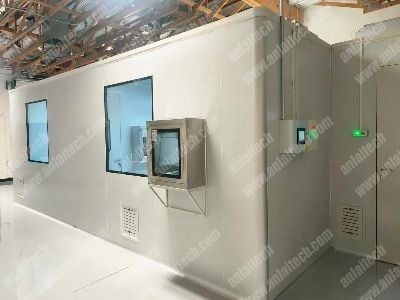
Clean room laboratories are specialized environments designed to minimize contamination and control environmental factors, which is essential for research and analytical testing. Designing a clean room laboratory requires an understanding of the specific needs of your operations, including air filtration, temperature control, humidity management, and contamination prevention. This article will outline key design guidelines and considerations for clean room laboratories, helping purchasing managers, engineers, and project managers make informed decisions when planning and sourcing clean room equipment.
Choosing the Right Clean Room Laboratory Design for Your Needs
When selecting a clean room laboratory design, it’s crucial to evaluate the specific requirements of your research or testing applications. Factors such as the level of cleanliness required (measured in ISO classes), the type of materials being handled, and the expected workflow can significantly influence the design.
For instance, ISO Class 5 clean rooms have stricter air cleanliness standards than ISO Class 7 ones. This means that if your laboratory is involved in biopharmaceutical production, it may require a more stringent design than a facility focused on general research. Additionally, consider spatial layout, which should facilitate efficient workflow while ensuring compliance with safety and regulatory standards.
The design should also incorporate appropriate air conditioning and purification systems. Anlaitech specializes in energy-saving designs and advanced air purification technologies, which can be tailored to meet the specific demands of your clean room laboratory.
How to Evaluate Clean Room Specifications for Research Applications?
Evaluating clean room specifications begins with understanding the critical performance parameters. Key specifications to consider include:
Air Changes Per Hour (ACH): This measures how many times the air within the clean room design is replaced in one hour. Higher ACH is often required for more sensitive applications to ensure contaminants are minimized.
Temperature and Humidity Control: Specific research applications may require precise temperature and humidity ranges. For example, biopharmaceuticals typically need strict control over these factors to maintain product integrity.
Material Selection: The choice of materials for walls, floors, and ceilings can impact both cleanliness and maintenance. For example, non-porous materials are preferred for easy cleaning and preventing particle accumulation.
Filtration Systems: The type and efficiency of HEPA or ULPA filters used in the air handling units must meet the clean room's desired cleanliness class. It’s essential to confirm filter specifications and maintenance schedules to ensure ongoing performance.
Buyers should also confirm that the clean room design aligns with relevant industry standards and certifications, which may vary based on the application field.
Where to Source Quality Clean Room Equipment for Wholesale Buyers?
Sourcing clean room equipment requires a careful approach to ensure quality and compliance. Wholesale buyers should consider the following:
Reputable Manufacturers: Partner with established manufacturers like Anlaitech, known for their expertise in clean room air conditioning and purification systems. Evaluate their experience across different high-tech fields, including medical and biopharmaceutical sectors.
Customization Options: Ensure that the manufacturer can offer customized solutions tailored to specific laboratory needs. This may include modular clean room designs or specific equipment configurations to optimize workflow.
Quality Assurance Processes: Investigate the manufacturer’s quality control processes. A robust quality assurance system will help ensure that the clean room equipment meets required standards and performs as expected.
Technical Support and Service: Look for suppliers who provide comprehensive post-installation support and maintenance services. This is crucial for maintaining the operational efficiency of your clean room environment.
Comparing Clean Room Air Purification Systems for Your Projects
When comparing clean room air purification systems, several factors should be taken into account to ensure optimal performance:
Filter Efficiency: Evaluate the efficiency ratings of filters used within the air purification systems. HEPA filters typically remove 99.97% of 0.3-micron particles, making them essential for high-grade clean rooms.
Energy Consumption: Consider the energy efficiency of the air handling units and purification systems. Energy-saving designs not only reduce operational costs but also contribute to sustainability goals.
Noise Levels: In laboratory settings, excessive noise can be distracting. Assess the sound levels produced by air purification systems to ensure they meet workplace comfort standards.
Maintenance Requirements: Investigate the routine maintenance needs of the purification systems. Systems that are easier to maintain will help minimize downtime and ensure consistent clean room conditions.
Integration Capabilities: Ensure that the air purification systems can be seamlessly integrated with other clean room components, such as temperature and humidity control systems.
By taking the time to compare these aspects, buyers can select the most suitable air purification system for their specific clean room project.
Expert Tips for Maintaining Quality in Clean Room Environments
Maintaining quality in clean room environments involves a proactive approach to monitoring and management. Here are some expert tips:
Regular Monitoring: Implement continuous monitoring systems for critical parameters such as particulate count, temperature, and humidity. Automated systems can help alert personnel to any deviations from set standards.
Scheduled Maintenance: Establish a regular maintenance schedule for all clean room equipment, including air handling units and filters. This ensures that systems operate efficiently and reduces the risk of contamination.
Staff Training: Invest in training for staff on clean room protocols and contamination control practices. Proper practices can significantly reduce the risk of contamination from personnel.
Validation Processes: Conduct regular validation of clean room conditions and equipment performance. This may include routine air sampling and testing to ensure compliance with cleanliness standards.
Documentation: Maintain thorough records of maintenance, monitoring, and validation activities. Documentation is critical for regulatory compliance and can help identify trends or issues over time.
By following these guidelines, clean room operators can maintain optimal conditions that support their research and testing objectives, ultimately leading to better outcomes in their projects.
Table of Contents
- Choosing the Right Clean Room Laboratory Design for Your Needs
- How to Evaluate Clean Room Specifications for Research Applications?
- Where to Source Quality Clean Room Equipment for Wholesale Buyers?
- Comparing Clean Room Air Purification Systems for Your Projects
- Expert Tips for Maintaining Quality in Clean Room Environments


