 EN
EN


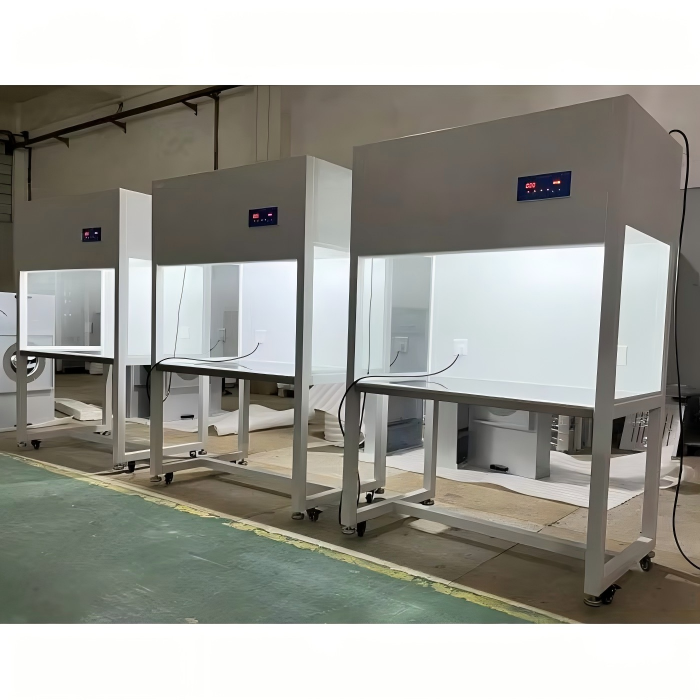
When selecting a laminar air flow booth for your clean room environment, it's crucial to understand the differences between vertical and horizontal designs. The choice between a vertical vs horizontal anlaitech laminar fume hood can significantly impact your workflow efficiency and contamination control. This article aims to clarify key considerations in choosing the right type for your application, while addressing concerns such as cost, performance, and suitability for specific industries.
What to Consider When Choosing Vertical vs Horizontal Laminar Air Flow Booths?
When deciding between vertical and horizontal laminar air flow booths, several factors should be evaluated:
Airflow Direction: Vertical booths direct airflow from the top to the bottom, while horizontal booths push air from the back towards the front. Vertical configurations are often preferred for processes involving larger equipment as they minimize the risk of contaminants being re-entrained in the airflow.
Space Requirements: Vertical booths typically require less floor space compared to horizontal ones, making them suitable for environments with limited room. However, horizontal booths may provide easier access to larger objects or equipment being processed.
Application Suitability: Consider the specific applications. Vertical booths are often used in sterile environments like pharmaceuticals and biotechnology, while horizontal booths may be better suited for electronics assembly and other processes involving large components.
Budget and Cost Efficiency: Assess the total cost of ownership, including initial purchase, maintenance, and energy consumption. Vertical booths may be more energy-efficient due to their airflow design, possibly resulting in lower operational costs over time.
User Accessibility: The design of the booth can affect how operators interact with it. Horizontal booths can provide a clearer line of sight and access for the operator, which is beneficial for tasks requiring frequent adjustments or monitoring.
Where to Source Reliable Vertical and Horizontal Laminar Air Flow Booths?
Finding a reputable supplier for vertical and horizontal laminar air flow booths is essential. Key sources include:
Manufacturers with Industry Experience: Seek manufacturers like Anlaitech, which has extensive experience in clean room equipment and serves multiple high-tech industries. They can provide insights into the best options based on your unique requirements.
Trade Shows and Industry Expositions: Attending relevant trade shows can help you connect with various manufacturers and suppliers. You can see products firsthand, compare features, and discuss your specific needs directly with the manufacturers.
Online Marketplaces and Directories: Websites dedicated to industrial equipment can provide a comprehensive list of suppliers. Look for reviews, ratings, and case studies to evaluate their reliability.
Recommendations from Industry Peers: Networking with colleagues in your industry can yield valuable recommendations based on their experiences with specific suppliers.
Cost Factors for Vertical and Horizontal Laminar Air Flow Booths
The cost of vertical and horizontal laminar air flow booths can vary significantly based on several factors:
Initial Purchase Price: Generally, vertical booths may have a lower upfront cost compared to horizontal models due to simpler designs. However, this can vary based on the specific anlaitech laminar flow fume hood features and customizations required.
Operating Costs: Energy consumption is a critical factor. Vertical booths often use less energy due to their design, which can lead to savings in operational costs over time. Additionally, the maintenance costs, particularly for HEPA filters and airflow systems, should be factored in.
Customization Options: The level of customization required can also affect pricing. Customized booths tailored to specific applications or unique operational requirements may increase initial costs but could enhance overall efficiency and effectiveness.
Shipping and Installation Costs: Depending on the supplier and the location, shipping and installation can add significant costs to the purchase. Ensure to discuss these factors upfront to avoid surprises later.
Applications and Use Cases for Laminar Air Flow Booths in Industry
Laminar air flow booths are versatile and can be used across various industries. Some common applications include:
Pharmaceuticals and Biopharmaceuticals: These industries require stringent contamination controls. Vertical laminar flow booths are often used for sterile drug preparation and compounding, ensuring that the environment remains uncontaminated.
Electronics Manufacturing: Horizontal laminar flow booths are commonly used in electronics assembly, where even minute particles can cause defects in sensitive components.
Food Processing: Clean environments are vital in food manufacturing to prevent contamination. Laminar flow booths help maintain a hygienic workspace, especially during packaging and processing stages.
Laboratory Research: In laboratories, both vertical and horizontal booths are utilized for sensitive experiments, ensuring that samples are protected from airborne contaminants.
Solutions for Optimizing Your Laminar Air Flow Booth Performance
To maximize the effectiveness of your laminar air flow booth, consider the following solutions:
Regular Maintenance: Implement a routine maintenance schedule to check and replace HEPA filters as necessary. Clogged filters can impede airflow and reduce performance.
Proper Training for Operators: Ensure that operators are well-trained in the correct usage of laminar flow booths. Proper techniques can significantly enhance contamination control.
Monitor Environmental Conditions: Use environmental monitoring systems to track temperature, humidity, and particulate levels within the booth. This data can help identify when adjustments are needed to maintain optimal conditions.
Evaluate Workflow Design: Analyze the workflow around the laminar flow booth. Positioning equipment and materials effectively can minimize unnecessary movement in and out of the booth, thus maintaining its integrity.
By carefully considering these factors and solutions, businesses can make informed decisions regarding the purchase and usage of vertical vs horizontal anlaitech laminar flow clean room booths, ensuring that they meet their specific operational needs efficiently.
Table of Contents
- What to Consider When Choosing Vertical vs Horizontal Laminar Air Flow Booths?
- Where to Source Reliable Vertical and Horizontal Laminar Air Flow Booths?
- Cost Factors for Vertical and Horizontal Laminar Air Flow Booths
- Applications and Use Cases for Laminar Air Flow Booths in Industry
- Solutions for Optimizing Your Laminar Air Flow Booth Performance


