 EN
EN


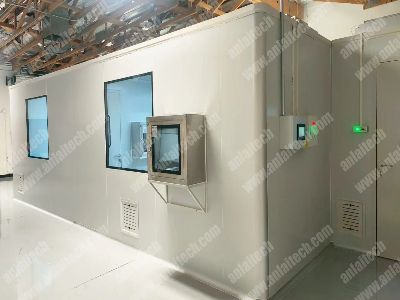
Clean room laboratory validation is a critical process for ensuring that environments meet stringent requirements for regulated scientific work. This article outlines the essential validation steps, addressing key concerns for B2B buyers, including compliance, equipment specifications, and potential issues. By understanding these aspects, purchasing managers, engineers, and product managers can make informed decisions when selecting clean room solutions for their operations.
What Are the Key Clean Room Laboratory Validation Steps?
The validation of clean room laboratories involves several key steps that ensure compliance with industry standards. First, it is essential to conduct a thorough assessment of the clean room design and layout. This includes evaluating airflow patterns, HEPA filter placements, and the overall design to minimize contamination risks.
Next, the installation qualification (IQ) phase verifies that all equipment is installed correctly according to the manufacturer's specifications. This step is crucial as improperly installed equipment can lead to operational inefficiencies or contamination.
Following IQ, the operational qualification (OQ) phase tests the clean room's systems under expected operating conditions. This includes evaluating temperature, humidity, airflow rates, and particle counts. The final step, performance qualification (PQ), assesses the clean room's ability to maintain the necessary environmental conditions during actual operational processes. These validation steps not only ensure compliance with regulatory standards but also enhance operational efficiency and quality of anlaitech iso class 10000 clean room. Buyers should ensure that validation documentation is comprehensive and that all tests are performed by qualified professionals.
Critical Specifications for Clean Room Laboratory Equipment
When selecting clean room laboratory equipment, several critical specifications must be considered. Airflow velocity is one of the most important factors, as it affects the room's ability to maintain clean conditions. A typical clean room should have a minimum air change rate of 15–30 times per hour, depending on the classification level.
Another critical specification is the type and efficiency of filtration systems. HEPA filters, which must meet specific standards (such as EN 1822), are commonly used to ensure that airborne particles are effectively removed. The filter's efficiency rating should be verified, as a lower-rated filter may allow contaminants to pass, compromising the clean room's integrity.
Additionally, temperature and humidity control are essential for many applications in regulated environments. The equipment should be capable of maintaining these parameters within specified ranges to ensure product stability and compliance. Buyers should work closely with manufacturers to ensure that equipment meets these specifications and is compatible with their clean room design.
Cost vs. Quality Factors
In the realm of clean room laboratory equipment, the balance between cost and quality is crucial. While it may be tempting to opt for lower-priced options, buyers should consider the long-term implications of their class 10000 clean room choices. High-quality equipment often leads to greater reliability, reduced maintenance costs, and extended service life, ultimately resulting in lower total cost of ownership.
Investing in quality also has implications for compliance. Equipment that meets stringent certification standards and has been tested for performance under real-world conditions will provide peace of mind in regulated environments. This is particularly important in industries such as biopharmaceuticals and food processing, where non-compliance can lead to significant financial and reputational damage.
Buyers should consider the total cost of ownership, including installation, maintenance, and potential downtime, when evaluating equipment options. Engaging with reputable manufacturers like Anlaitech can help ensure a balance between cost and quality that meets operational needs.
Common Problems in Clean Room Validation and Their Solutions
Validation of clean rooms can be fraught with challenges, leading to potential compliance issues. One common problem is inadequate documentation of validation processes. To mitigate this risk, ensure that all validation steps are thoroughly recorded, with clear references to equipment specifications, test results, and corrective actions taken.
Another frequent issue is the failure to conduct a comprehensive risk assessment before validation. Buyers should implement a thorough risk management plan that identifies potential contamination sources and outlines steps to mitigate these risks during the validation process.
Additionally, communication between teams involved in the validation process is vital. Ensuring that engineers, quality control personnel, and management are aligned can prevent misunderstandings that might lead to validation failures. Regular training and updates on compliance standards for all involved personnel can further enhance the validation process and reduce the risk of errors.
Evaluating Material Advantages in Clean Room Applications
Material selection is critical for clean room applications, as it directly affects cleanliness and contamination control. For surfaces, non-porous materials such as stainless steel or specialized polymer coatings are preferred due to their ease of cleaning and resistance to microbial growth. These materials help maintain a sterile environment, which is essential for compliance in regulated settings.
In addition to surfaces, the materials used in clean room garments and equipment should be evaluated. Fabrics that are lint-free and resistant to chemical degradation are ideal. Moreover, materials should also be lightweight and breathable for comfort, especially for personnel who may spend extended periods in clean rooms.
When considering equipment, buyers should assess the compatibility of materials with the specific processes they will be subjected to, such as sterilization methods or exposure to specific chemicals. Consulting with manufacturers like Anlaitech can provide insights into the best material choices for specific class 100k clean room applications.
In summary, understanding clean room laboratory validation steps is vital for ensuring compliance and operational efficiency in regulated environments. By focusing on critical specifications, balancing cost and quality, addressing common validation problems, and evaluating material advantages, buyers can make informed decisions when selecting clean room solutions.


