 EN
EN


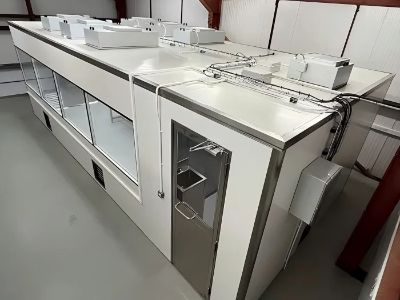
Clean room facilities are essential environments designed to control contamination and maintain the integrity of sensitive processes and products. Understanding the key differences between clean room laboratories and production cleanrooms is crucial for professionals in fields such as pharmaceuticals, biomedicine, and electronics. This article will address buyers' primary concerns, including application suitability, installation requirements, cost factors, and common challenges in clean room environments, providing practical insights to help inform purchasing decisions.
Common Problems and Solutions in Clean Room Environments
Clean rooms must adhere to strict contamination control standards, which can present several challenges. Common problems include particle contamination, improper airflow, and equipment malfunctions. For instance, inadequate air filtration can lead to increased particle counts, compromising product integrity. To address these issues, professionals should prioritize regular maintenance and air quality monitoring. Implementing a robust quality control process, including routine inspections of HEPA filters and airflow patterns, is essential. Additionally, staff training on clean room protocols can mitigate human error, ensuring compliance with cleanliness standards. Another frequent challenge is equipment compatibility. When integrating new machinery, it’s crucial to consider how it will interact with existing systems to avoid disruptions in the clean room environment. Working with a knowledgeable supplier like Anlaitech can help ensure that all components are compatible and perform optimally within the clean room setting.
Cost Factors When Selecting Clean Room Laboratory or Production Options
The cost of establishing a clean room varies significantly based on its intended purpose, size, and technological requirements. Clean room laboratories, often used for research and development, may require advanced features like specialized airflow patterns or temperature controls, leading to higher initial investment costs. In contrast, production cleanrooms typically focus on efficiency and cost-effectiveness. Buyers should consider long-term operational costs, including energy consumption and maintenance expenses. For instance, energy-efficient air conditioning systems can reduce operational costs over time, making them a favored choice for many manufacturers. When evaluating costs, it is also vital to factor in the potential savings from reduced contamination risks, which can lead to fewer product recalls and higher yields. Conducting a thorough cost-benefit analysis will help determine the most suitable clean room type for specific applications.
Applications of Clean Room Laboratories in Various Industries
Clean room laboratories are utilized across multiple industries, including pharmaceuticals, biotechnology, electronics, and food processing. In the pharmaceutical and biopharmaceutical sectors, clean room environments are critical for ensuring product safety and compliance with regulatory standards. For example, sterile drug production necessitates stringent cleanliness levels to prevent contamination. In the electronics industry, clean rooms protect sensitive components from dust and static electricity, which can affect performance and yield. Additionally, food processing clean rooms ensure the hygienic handling of food products, reducing the risk of foodborne illnesses. Understanding the specific requirements of each application can help buyers select the appropriate clean room design and features. For instance, pharmaceutical sterile clean room often require different air circulation systems compared to those used in electronics manufacturing. Consulting with experts can provide valuable insights into the best practices for each industry.
Installation Guidance for Clean Room Laboratory and Production Cleanrooms
The installation of clean room environments involves meticulous planning and execution. Buyers should start by assessing the specific needs of their operations, including size, layout, and equipment requirements. Engaging with a professional clean room equipment manufacturer like Anlaitech can streamline the installation process. Key considerations during installation include the choice of materials. For instance, using non-porous materials for walls and ceilings can enhance cleanliness and facilitate easier cleaning. Additionally, proper sealing around doors and windows is essential to maintain the integrity of the clean room hvac design environment. It’s also important to ensure that all mechanical systems, including HVAC and filtration units, are installed correctly. This often requires collaboration with HVAC specialists to optimize air flow and pressure differentials. Conducting thorough testing of the clean room post-installation is crucial to confirm it meets the necessary cleanliness and operational standards.
Comparing Material Advantages in Clean Room Design and Functionality
Selecting the right materials for clean room construction is a critical factor affecting performance and functionality. Common materials used include stainless steel, fiberglass, and specialized coatings. Each material offers unique benefits depending on the clean room's intended use. Stainless steel is favored in pharmaceutical and food processing clean rooms due to its durability, resistance to corrosion, and ease of cleaning. Fiberglass, on the other hand, can be advantageous in environments requiring lower weight and flexibility in design. Additionally, the choice of flooring can significantly impact cleanliness and maintenance. Epoxy floors are commonly used in ultra clean room systems for their seamless, non-porous properties that minimize dust accumulation. Buyers should evaluate the specific requirements of their clean room applications to select materials that optimize functionality while adhering to cleanliness standards.
In summary, understanding the differences between clean room laboratories and production cleanrooms is vital for professionals navigating the complexities of clean room environments. By addressing common problems, evaluating cost factors, and selecting appropriate materials, buyers can make informed decisions that align with their operational needs and regulatory requirements.
Table of Contents
- Common Problems and Solutions in Clean Room Environments
- Cost Factors When Selecting Clean Room Laboratory or Production Options
- Applications of Clean Room Laboratories in Various Industries
- Installation Guidance for Clean Room Laboratory and Production Cleanrooms
- Comparing Material Advantages in Clean Room Design and Functionality


