 EN
EN


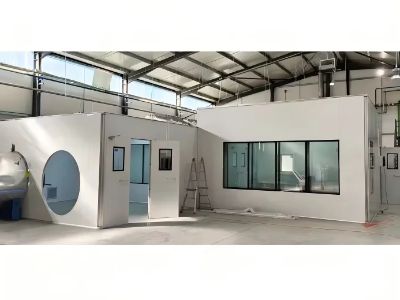
Planning the layout for a scalable clean room modular installation is crucial for ensuring compliance with stringent industry standards and operational efficiency. As a leading manufacturer of clean room equipment, Anlaitech can provide insights into the essential considerations for creating an effective clean room environment. This article addresses common concerns of purchasing managers and project planners, including supplier selection, cost factors, installation challenges, material advantages and installation guidelines. By the end you'll have a clearer understanding of how to strategically plan your clean room layout.
Where to Find Reliable Suppliers for Clean Room Equipment?
Identifying reliable suppliers is the first step in establishing a clean room modular installation. Potential buyers should look for manufacturers with extensive experience in air conditioning purification and clean room construction. Check for industry certifications and past project portfolios to assess their capability to deliver quality products. Networking through industry conferences, trade shows, and online forums can also provide leads on trustworthy suppliers.
Additionally, consider suppliers who have experience serving multinational companies in sectors like pharmaceuticals, biopharmaceuticals, and electronics. A supplier that has successfully completed projects in these fields will likely be familiar with the regulatory requirements and specific needs of your clean room application. Requesting references and client testimonials can further confirm a supplier's reliability and expertise.
Comparing Cost Factors in Clean Room Modular Installations
Cost estimation for clean room modular installations can vary significantly based on several factors. First, the type of clean room required be it for pharmaceuticals, electronics, or food production will influence costs due to different compliance and material requirements. Additionally, the size and design complexity of the clean room suit will affect pricing. Modular systems, while often more cost-effective, still require careful planning to ensure scalability and compliance with industry standards. Other cost factors include the chosen materials, HVAC systems, and additional equipment such as air filtration units. When budgeting, it's vital to account for installation, maintenance, and potential future expansions. Always ask for detailed quotations that break down costs into materials, labor, and any other relevant expenses to avoid unexpected charges later on.
Common Problems in Clean Room Installations and Effective Solutions
Clean room installations can encounter several common issues, primarily related to air quality management, structural integrity, and regulatory compliance. One frequent problem is inadequate air filtration, leading to contamination risks. Ensuring that your installation includes high-efficiency particulate air (HEPA) filters and that airflow patterns are correctly designed can mitigate this risk. Another issue is the improper sealing of modular panels, which can lead to leaks and compromise clean room integrity. Buyers should verify that all joints and seams are properly sealed during installation. Conducting a thorough quality inspection before the final handover can help identify potential problems early. Lastly, regulatory compliance challenges may arise if the installation does not meet industry standards. It's crucial to have a project manager with experience in clean room regulations to oversee the installation process and ensure that all standards are met.
Understanding Material Advantages in Clean Room Construction
The materials chosen for clean room construction significantly impact its efficiency and effectiveness. Common materials include stainless steel, aluminum, and specialized polymers, each offering unique advantages. Stainless steel, for instance, is highly durable and resistant to corrosion, making it suitable for clean rooms in pharmaceutical and medical fields. Aluminum, being lightweight and easy to work with, is often preferred for modular wall systems. It allows for quick assembly and modifications, which is advantageous in rapidly evolving industries.
Specialized polymers can offer excellent insulation and are often used in environments requiring stringent contamination control. When selecting materials, consider their compatibility with your clean room system intended application. Conducting a thorough analysis of the required barrier levels, chemical exposure risks, and temperature conditions will guide you to the most suitable material choices.
Guidelines for Efficient Installation of Clean Room Modular Systems
To ensure efficient installation of clean room modular systems, start with a well-prepared layout plan that includes all necessary specifications and compliance requirements. Engage experienced professionals for the installation process, as their expertise can prevent common pitfalls. Prior to installation, conduct site assessments to identify potential challenges, such as space constraints or existing infrastructure concerns. Proper project management is essential; establish clear timelines and milestones to keep the project on track. During installation, regular inspections should be conducted to ensure compliance with specifications. This includes checking the integrity of wall panels, air handling units, and sealing methods. After installation, a comprehensive validation process should confirm that the clean room equipment meets operational criteria, including airflow, temperature control, and cleanliness levels. By following these guidelines, you can create a reliable and scalable clean room that meets both current needs and future expansions.
Table of Contents
- Where to Find Reliable Suppliers for Clean Room Equipment?
- Comparing Cost Factors in Clean Room Modular Installations
- Common Problems in Clean Room Installations and Effective Solutions
- Understanding Material Advantages in Clean Room Construction
- Guidelines for Efficient Installation of Clean Room Modular Systems


