 EN
EN


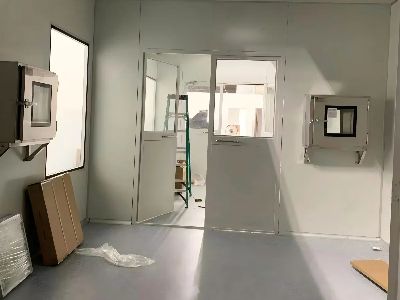
The clean room modular design offers a modern and efficient alternative to traditional stick-built cleanrooms, particularly in industries where precision and contamination control are critical. By understanding the benefits of modular cleanrooms, B2B buyers, including purchasing managers, engineers, and project managers, can make informed decisions that enhance their operational efficiency. This article will explore key specifications, quality control practices, installation guidance applications across various industries, and common construction challenges with their solutions, helping buyers navigate their cleanroom needs effectively.
Key Specifications to Consider in Modular Clean Room Design
When evaluating modular clean room designs, several key specifications should be prioritized to ensure optimal performance and compliance with industry standards.
Material Selection: The choice of materials significantly impacts the clean room's ability to maintain cleanliness and control contamination. Common materials include stainless steel, aluminum, and specific plastics that are resistant to chemicals and easy to clean. Each material has its benefits, such as durability or cost-effectiveness, and should match the specific application requirements.
Classifications and Standards: clean room modular wall systems are classified according to the cleanliness level, typically defined by ISO standards (e. g., ISO 14644-1). Understanding the required classification (e. g., ISO Class 5, 7, or 8) is essential for ensuring the clean room meets the necessary air quality and contamination control standards.
Airflow and Filtration Systems: Proper airflow design influences the clean room's efficiency. High-Efficiency Particulate Air (HEPA) filters and Ultra-Low Penetration Air (ULPA) filters are critical for removing airborne particles. The air changes per hour (ACH) should also be calculated based on the cleanroom's classification and purpose.
Size and Layout: The modular clean room's dimensions and layout should accommodate operational workflows. Buyers should consider the space needed for equipment and personnel movement while ensuring compliance with regulatory requirements.
Flexibility and Scalability: Modular designs allow for reconfiguration and expansion. Buyers should assess their future growth needs and ensure that the modular clean room can adapt without extensive renovations.
Quality Control Practices for Modular Cleanrooms Explained
Quality control in modular cleanrooms is crucial for maintaining the integrity of sensitive processes. Effective practices include:
Regular Monitoring and Testing: Implementing a schedule for routine monitoring of particulate levels, airflow rates, and pressure differentials ensures that the cleanroom maintains compliance with its designated classification. Continuous monitoring systems can alert operators to any deviations in real-time.
Validation Procedures: A comprehensive validation process should be established to confirm that the clean room meets all operational specifications. This includes Installation Qualification (IQ), Operational Qualification (OQ), and Performance Qualification (PQ). Documentation of these validations is necessary for regulatory compliance.
Training and Procedures: Personnel should receive training on cleanroom protocols, including gowning procedures, material handling, and contamination control practices. Clearly documented Standard Operating Procedures (SOPs) must be accessible to all staff.
Preventative Maintenance: Regular maintenance of HVAC systems, HEPA filters, and other critical components is essential to prevent failures that could compromise the cleanroom environment. A maintenance log should be kept to track service intervals and any issues encountered.
Installation Guidance for Efficient Modular Clean Room Setup
Efficient installation of a modular clean room is pivotal to its functionality and compliance. Key considerations include:
Site Assessment: Prior to installation, conduct a thorough site assessment to identify potential obstacles such as existing infrastructure, utilities, and spatial constraints. This helps in planning the installation process and mitigating issues that could arise during setup.
Prefabrication Advantages: Modular cleanrooms are often prefabricated, which can significantly reduce installation time. Ensure that components are manufactured in accordance with specifications, and conduct a pre-installation review to confirm all elements are present and functional.
Collaboration with Professionals: Engaging with experienced professionals during installation can streamline the process. Skilled technicians can ensure that the clean room is assembled according to design specifications and that all systems are integrated correctly.
Post-Installation Testing: After installation, perform thorough testing to validate that the clean room modular meets all required specifications. This should include airflow verification, pressure testing, and particulate monitoring to ensure compliance before the room goes into operation.
Applications of Modular Cleanrooms in Various Industries
Modular clean rooms are versatile and can be adapted for various industries. Key applications include:
Life Sciences and Pharmaceuticals: In biopharmaceutical production, cleanrooms prevent contamination during drug manufacturing and testing. Modular clean rooms provide the flexibility needed to scale up production or adapt to new regulatory requirements quickly.
Electronics Manufacturing: The semiconductor and electronics industries require stringent cleanliness standards. Modular cleanrooms support the controlled environments necessary for the fabrication of sensitive electronic components.
Food Processing: In the food industry, modular clean room laboratory ensure that products are manufactured in a hygienic environment, minimizing the risk of contamination. They can be tailored to meet specific food safety regulations.
Aerospace and Defense: The aerospace sector often requires cleanrooms for assembling precision components. Modular designs can facilitate the integration of advanced systems while maintaining strict cleanliness protocols.
Common Problems in Cleanroom Construction and Their Solutions
While constructing modular cleanrooms, several common issues may arise, along with effective solutions:
Inadequate Planning: Poor planning can lead to design flaws that affect functionality. To mitigate this, engage stakeholders early in the design process to ensure all requirements are captured and addressed.
Material Compatibility Issues: Certain materials may not be compatible with the intended cleanroom environment, leading to degradation or contamination. Always consult with manufacturers to verify that selected materials meet the required standards for your specific application.
Installation Errors: Mistakes during installation can compromise cleanroom integrity. Employing experienced installers and conducting rigorous post-installation testing can help identify and rectify issues promptly.
Regulatory Compliance Failures: Non-compliance with industry standards can lead to costly penalties. Regular audits and adherence to validation protocols are essential for maintaining compliance and ensuring operational integrity.
By understanding these aspects of clean room modular design, B2B buyers can make informed choices that align with their operational needs and compliance requirements, ensuring their cleanroom solutions are effective and efficient.


