 EN


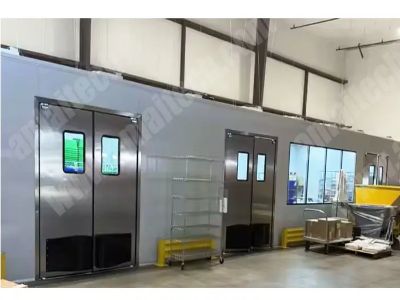
Choosing the right cleanroom classification is crucial for businesses in high-tech industries. The decision between ISO 8 cleanrooms and ISO 7 cleanrooms can significantly impact your operational efficiency, product quality, and regulatory compliance. This article, focused on "ISO 8 Cleanrooms Vs ISO 7: How To Pick Correct Clean Classification Grade," aims to guide purchasing managers and engineers through the key differences, considerations, and best practices for establishing a suitable cleanroom environment
Comparing ISO 8 and ISO 7 Standards
ISO 7 and ISO 8 cleanrooms are defined by their respective particulate cleanliness levels. ISO 7 cleanrooms allow a maximum of 352,000 particles per cubic meter for particles larger than 0.5 micrometers, while ISO 8 cleanrooms permit up to 3,520,000 particles in the same volume. This difference can have substantial implications for the types of processes and products that can be handled within these environments
In an ISO 7 cleanroom, the stricter control of particulate matter is essential for applications such as pharmaceuticals, biopharmaceuticals, and semiconductor manufacturing, where contamination can lead to product failures or health risks. Conversely, ISO 8 cleanrooms are often sufficient for industries like food packaging or certain electronic manufacturing processes, where the cleanliness requirements are not as stringent
The choice between these two classifications ultimately depends on factors like the sensitivity of the products being manufactured, regulatory compliance needs, and the intended application. Understanding the specific requirements of your operations is key to making an informed decision
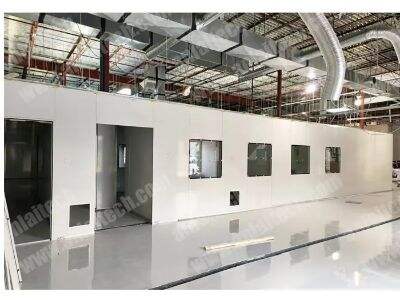
What Buyers Should Know
When considering the transition to an ISO 7 or ISO 8 cleanroom, buyers should evaluate several critical factors
Application Suitability: Understand the cleanliness requirements for your specific processes. High-tech sectors like biopharmaceuticals may necessitate ISO 7, while less sensitive applications might be adequately served by ISO 8
Equipment and Technology Needs: The installation of cleanroom equipment, such as air filtration systems and HVAC solutions, must align with the chosen ISO classification. An ISO 7 cleanroom will require more advanced air handling systems compared to ISO 8
Operational Costs: The operational costs associated with maintaining an ISO 7 cleanroom can be significantly higher due to increased energy consumption for air filtration and more frequent monitoring and maintenance
Regulatory Compliance: Industries often have regulatory standards that dictate the required cleanroom classification. Ensure that your cleanroom meets all relevant guidelines, such as those set by the FDA or ISO
Customization and Scalability: Evaluate the need for customization in your cleanroom design and whether your cleanroom setup can scale with your business growth
By considering these factors, buyers can make a more informed decision that aligns with their operational goals and compliance requirements
How to Determine Cost Factors for ISO 8 vs ISO 7 Cleanrooms
Cost is a significant factor when deciding between ISO 8 and ISO 7 cleanrooms. The overall investment will depend on several components
Initial Setup Costs: The cost of equipment, construction, and installation is higher for ISO 7 cleanrooms due to the need for advanced air filtration systems and stricter construction materials
Operational Expenses: ISO 7 cleanrooms often incur higher operational costs, including energy consumption for maintaining air quality and additional labor for monitoring and compliance
Maintenance and Upkeep: Regular maintenance and potential upgrades for ISO 7 cleanrooms can add to long-term costs. Cleaning protocols may also be more intensive
Certification and Compliance Costs: Depending on your industry, achieving the necessary certifications for ISO 7 can involve additional expenses for testing and compliance documentation
Return on Investment (ROI): Analyzing the potential ROI based on product quality, reduced contamination risk, and increased efficiency can help justify the investment in a higher classification cleanroom
When evaluating costs, it’s beneficial to obtain quotes from multiple cleanroom equipment suppliers to ensure competitive pricing and explore financing options that may be available
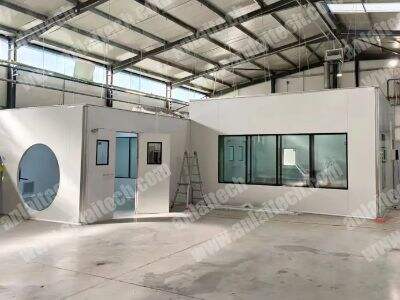
Best Practices for ISO 8 Cleanroom Setup
Setting up an ISO 8 cleanroom requires careful planning and adherence to best practices to ensure compliance and efficiency
Design Layout: The cleanroom should be designed with workflows in mind to minimize contamination risk. Considerations include personnel flow, material movement, and equipment placement
Air Filtration Systems: Install HEPA filters that meet the particulate specification for ISO 8. Air changes per hour (ACH) should be calculated based on the size and usage of the cleanroom
Material Selection: Use non-porous, smooth materials for walls and surfaces to facilitate cleaning and reduce particle accumulation. Avoid materials that may off-gas or shed particulates
Monitoring and Validation: Implement continuous monitoring systems for temperature, humidity, and particulate levels. Regular validation tests should be conducted to ensure compliance with ISO standards
Training and Procedures: Develop comprehensive training programs for staff regarding cleanroom protocols, including gowning procedures and contamination control measures
By following these best practices, businesses can establish efficient and compliant ISO 8 cleanrooms that meet their operational needs
Wholesale Purchasing Considerations for Cleanroom Equipment Standards
When purchasing cleanroom equipment for ISO 7 or ISO 8 classifications, several key considerations come into play
Supplier Evaluation: Choose suppliers with proven experience in cleanroom equipment manufacturing. Look for certifications that demonstrate quality control systems and compliance with industry standards
Customization Options: Determine if your supplier offers customization capabilities to tailor cleanroom solutions to your specific operational needs. Custom designs may enhance efficiency and compliance
Quality Assurance: Verify the quality control measures in place at the manufacturing facility. This includes testing protocols for equipment such as air filtration systems and monitoring devices
Minimum Order Quantity (MOQ): Understand the MOQ policies of suppliers, as this can influence budget and inventory management
Lead Times: Analyze lead times for equipment delivery and installation, especially if you are on a tight timeline for cleanroom setup
After-Sales Support: Ensure that the supplier offers adequate after-sales support, including maintenance services and troubleshooting assistance
By keeping these factors in mind, purchasing managers can make informed decisions that align with their operational goals and budget constraints
With a comprehensive understanding of ISO 8 and ISO 7 cleanrooms, their standards, costs, and best practices, businesses can confidently choose the appropriate cleanroom classification to support their manufacturing processes


