 EN


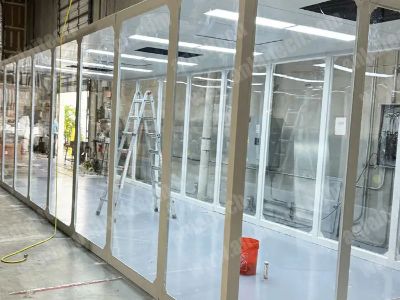
Prefab clean rooms provide essential controlled environments for industries such as pharmaceuticals, electronics, and food production. These modular solutions are designed for fast-track manufacturing, allowing companies to meet stringent hygiene and environmental standards efficiently. This article on prefab clean rooms will explore key considerations for selection, essential specifications, cost factors, and common issues along with their solutions. By understanding these elements, B2B buyers can make informed decisions that align with their operational needs and regulatory requirements
What to Consider When Choosing Prefab Clean Rooms for Your Project
When selecting prefab class 100k clean rooms, several critical factors must be taken into account. First, the intended application will largely dictate the clean room design and specifications. For example, a clean room for biopharmaceutical production will have different requirements compared to one for semiconductor manufacturing. Consider the necessary cleanliness level, which is defined by ISO classifications. Higher classifications ensure fewer particles and contaminants but may require more sophisticated filtration and air handling systems
Next, assess the space available for installation. Prefab clean rooms can be customized in size and layout to fit your facility, but it’s crucial to ensure they comply with local building codes and regulations. Additionally, consider the airflow design and pressure differentials, as these impact contamination control. Lastly, evaluate the supplier’s project management capabilities, as timely delivery and installation are vital in minimizing downtime and ensuring a smooth transition to your new clean room
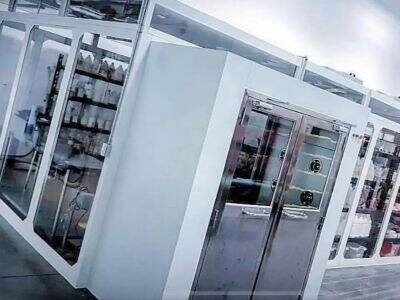
Key Specifications of Prefab Clean Rooms for Efficient Manufacturing
Key specifications of prefab clean rooms include air changes per hour (ACH), filtration efficiency, wall and ceiling materials, and temperature and humidity controls. Air changes per hour is critical for maintaining air quality and controlling contamination levels; higher ACH rates are often required for industries with stringent cleanliness standards
Filtration is another vital specification. HEPA and ULPA filters are common in clean rooms, with efficiencies of 99.97% and 99.999% for particles of 0.3 microns, respectively. The choice of materials for walls and ceilings is also essential; options like sandwich panels or galvanized steel offer durability and ease of cleaning
Temperature and humidity control systems should be tailored to the specific requirements of the application. For instance, clean rooms in the food industry may have different humidity requirements compared to those used in electronic manufacturing. Ensure the clean room design allows for easy access to these systems for maintenance and monitoring, which is crucial for consistent operational efficiency
Cost Factors to Consider for Prefab Clean Rooms in Wholesale Purchases
Cost considerations for prefab clean rooms can be multifaceted. Initial pricing is influenced by the complexity of the design, materials used, and the level of customization required. For instance, a class 10k clean room designed with advanced filtration systems and temperature control features will typically incur higher costs than a basic model
Additionally, buyers should account for shipping and installation expenses, which can vary based on the clean room's size and location. It’s also wise to consider lifecycle costs, including energy consumption, maintenance, and potential upgrades. Energy-efficient designs can lead to significant savings over time, making them a worthwhile investment
Another aspect to consider is the minimum order quantity (MOQ) and lead time. Suppliers may offer bulk purchasing discounts, but it’s essential to balance cost savings with the urgency of your project timeline. Short lead times can sometimes justify a higher upfront cost if they allow for quicker operational readiness
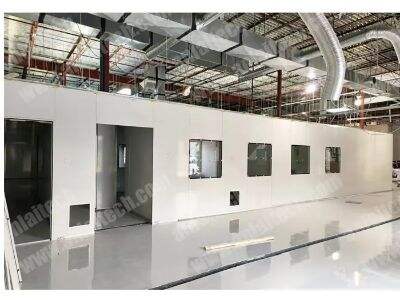
Common Problems with Clean Rooms and Practical Solutions
Common issues in clean rooms range from inadequate airflow to contamination breaches. One frequent problem is improper sealing around doors, windows, and seams, which can lead to air leaks and contamination. Ensuring proper installation and regular maintenance checks can mitigate these risks
Another challenge is managing humidity and temperature fluctuations, which can affect product quality. Implementing advanced monitoring systems can help maintain stability in environmental conditions, alerting personnel to any deviations that require immediate action
Additionally, personnel movement and material transfer into and out of the clean room can introduce contaminants. Implementing strict protocols, such as gowning procedures and airlocks, can significantly reduce the risk of contamination. Ongoing training for staff on these practices is also essential for maintaining clean room integrity
Applications of Prefab Clean Rooms in Various Industries and Sectors
Prefab clean rooms are employed across numerous sectors, including pharmaceuticals, biotechnology, semiconductor manufacturing, food processing, and aerospace. In the pharmaceutical and biopharmaceutical industries, clean rooms are crucial for ensuring that products are manufactured in contamination-free environments, complying with rigorous regulatory standards
In semiconductor manufacturing, clean rooms help maintain the cleanliness required for producing sensitive electronic components. The food industry uses clean rooms to ensure hygiene standards are met during production and packaging processes
Moreover, in the aerospace sector, clean rooms are utilized in the assembly of components to prevent contamination that could compromise safety and performance. Each application demands specific clean room configurations, emphasizing the importance of customization in meeting industry standards effectively
Overall, understanding the specific needs of each application will guide buyers in selecting the right prefab 1k clean room solution, ensuring compliance and operational efficiency
Table of Contents
- What to Consider When Choosing Prefab Clean Rooms for Your Project
- Key Specifications of Prefab Clean Rooms for Efficient Manufacturing
- Cost Factors to Consider for Prefab Clean Rooms in Wholesale Purchases
- Common Problems with Clean Rooms and Practical Solutions
- Applications of Prefab Clean Rooms in Various Industries and Sectors


