 EN

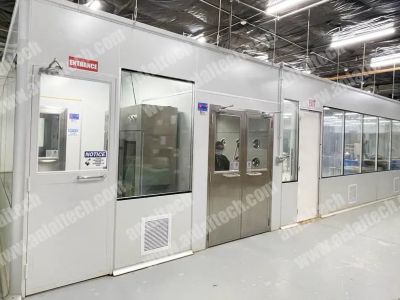
ISO 8 cleanrooms, classified as Class 100,000 clean zones, are critical environments designed to minimize contamination levels in various industries. These iso 8 cleanroom standards are essential for operations where even minute particulates can affect product quality and safety. Industries such as pharmaceuticals, biotechnology, food production, and electronics manufacturing greatly benefit from ISO 8 standards. This article will guide you through the selection of the right cleanroom for your needs, key specifications, cost considerations, common challenges, and tips for finding reliable suppliers.
How to Choose the Right ISO 8 Cleanroom for Your Manufacturing Needs?
Selecting the appropriate ISO 8 cleanroom involves understanding your specific manufacturing requirements and the environmental controls necessary for your processes. Consider the following factors:
Application Requirements: Different industries have distinct contamination control needs. For example, the biopharmaceutical sector may require more stringent air quality standards than the food industry. Assess your product’s sensitivity to particulates to determine the right ISO class.
Space and Layout: Evaluate the available space and the cleanroom layout. You may require a cleanroom modular that can be adjusted as your manufacturing needs evolve. Ensure that the design accommodates workflow efficiency and personnel movement while maintaining cleanliness.
Airflow and Filtration Systems: The design of the HVAC system is crucial. An effective air filtration system should be capable of delivering the required air changes per hour while maintaining uniform airflow patterns to minimize contamination risks.
Compliance and Standards: Ensure that the cleanroom meets ISO 8 requirements and any additional industry-specific regulations. Consulting with experts, like those at Anlaitech, can provide valuable guidance on compliance matters.
Customization Options: Depending on your specific needs, you may require customization in terms of size, layout, and equipment. Check with manufacturers about their capabilities to offer tailored solutions.
Key Specifications for Class 100,000 Clean Zones in Various Industries
When considering ISO 8 cleanrooms, several key specifications impact performance:
Particulate Limits: ISO 8 cleanrooms must maintain a maximum allowable particle count of 100,000 particles per cubic meter for particles that are 0.5 micrometers and larger. Understanding how these limits relate to your production processes is essential.
Air Change Rate: The recommended air change rate for ISO 8 cleanrooms is typically around 20-60 air changes per hour. This rate ensures adequate ventilation and contamination control.
Temperature and Humidity Control: Depending on your industry, maintaining specific temperature and humidity levels may be crucial. For instance, pharmaceutical manufacturing often requires strict controls to ensure product stability.
Materials: The materials used in the cleanroom construction must be non-porous and easy to clean. Common choices include stainless steel and high-grade plastics that can withstand harsh cleaning agents.
Monitoring Equipment: It’s important to incorporate real-time monitoring systems for particle counts, temperature, and humidity. This data is vital for ensuring compliance and for addressing any deviations immediately.
Cost Factors to Consider When Sourcing ISO 8 Cleanroom Solutions
The cost of ISO 8 cleanroom solutions can vary significantly based on several factors:
Design Complexity: Custom-designed cleanrooms tend to be more expensive due to specialized engineering and materials. If your operation requires a unique configuration, be prepared for higher costs.
Material Quality: Investing in high-quality construction materials can lead to lower maintenance costs and longer lifespans for your cleanroom. While initial costs may be higher, the long-term savings can be significant.
Equipment Needs: The type of equipment and systems required for maintaining a clean environment will also impact costs. Advanced filtration systems and monitoring equipment may require higher upfront investments.
Installation and Maintenance: Factor in the costs associated with installation and ongoing maintenance. Collaborating with experienced manufacturers like Anlaitech can help ensure efficient installation and reliable long-term support.
Regulatory Compliance: Compliance with industry regulations may necessitate additional features or more rigorous testing, which can further influence costs. Always ensure that your budget accounts for these potential expenses.
Common Problems in ISO 8 Cleanrooms and Their Practical Solutions
ISO 8 cleanrooms can face several challenges that may impact their effectiveness:
Contamination Events: Contamination can occur due to improper gowning procedures or equipment malfunction. To mitigate this, establish strict protocols for personnel training and equipment maintenance.
Airflow Issues: Inadequate airflow can lead to dead zones where particulates accumulate. Regular airflow assessments and adjustments to the HVAC system can help maintain optimal conditions.
Material Wear and Tear: Over time, cleanroom materials may degrade, leading to contamination risks. Regular inspections should be scheduled, and any worn components should be replaced promptly to maintain integrity.
Monitoring Gaps: Lack of consistent monitoring can result in undetected deviations from cleanroom standards. Implementing continuous monitoring systems ensures that any breaches are identified and addressed swiftly.
Training Deficiencies: Personnel may not be aware of best practices for maintaining cleanroom standards. Continuous training and refresher courses can help ensure that all staff members are well-informed about contamination control protocols.
Where to Find Reliable Suppliers of ISO 8 Cleanroom Equipment Globally?
Finding a trustworthy supplier for ISO 8 cleanroom equipment is crucial for ensuring the success of your operations. Here are some tips for locating reliable manufacturers:
Industry Reputation: Research suppliers known for their expertise in cleanroom technology. Companies with a proven track record, like Anlaitech, that serve multiple industries can often provide valuable insights and solutions.
Certifications and Compliance: Verify that potential suppliers adhere to industry standards and possess relevant certifications. This ensures that their products meet the necessary quality and safety requirements.
Customer Reviews and Case Studies: Look for testimonials and case studies from previous clients. This information can provide insights into the supplier’s reliability and the effectiveness of their products.
Technical Support and Service: Evaluate the level of post-purchase support offered. Suppliers that provide technical assistance and maintenance services can be invaluable for ongoing operations.
Global Presence: Consider suppliers with a global reach, as they may better understand international standards and regulations. This is especially important if you plan to operate in multiple markets.
By understanding these aspects of ISO 8 cleanrooms, you can make informed decisions that align with your manufacturing needs. Whether you’re sourcing equipment or designing a modular cleanroom from scratch, focusing on specifications and supplier reliability is key to achieving a successful operation.
Table of Contents
- How to Choose the Right ISO 8 Cleanroom for Your Manufacturing Needs?
- Key Specifications for Class 100,000 Clean Zones in Various Industries
- Cost Factors to Consider When Sourcing ISO 8 Cleanroom Solutions
- Common Problems in ISO 8 Cleanrooms and Their Practical Solutions
- Where to Find Reliable Suppliers of ISO 8 Cleanroom Equipment Globally?


