 EN


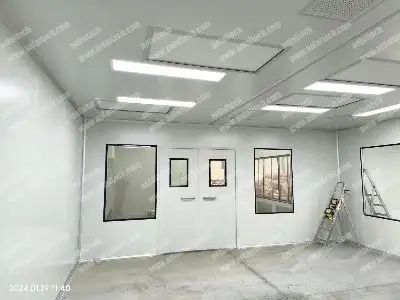
ISO 8 cleanrooms are critical environments designed to control particulate contamination, particularly in industries where precision and hygiene are paramount. As a leading manufacturer of cleanroom equipment, Anlaitech specializes in creating ISO 8 cleanrooms tailored for various applications, from pharmaceuticals to electronics. This article will explore key specifications, evaluate particle standards, identify typical applications, discuss common issues, and provide valuable insights for buyers looking to invest in ISO 8 cleanroom solutions
Key Specifications to Consider
When selecting an ISO 8 class 100 cleanroom, several specifications are essential to ensure it meets operational requirements. First and foremost, the classification of cleanliness is determined by the maximum allowable particle counts per cubic meter. For ISO 8, the limits are 3,520 particles ≥0.5 micrometers, 832 particles ≥1 micrometer, and 29 particles ≥5 micrometers. Understanding these limits is crucial for industries that require stringent control over contamination
Another critical specification is airflow design. The cleanroom should have a minimum air change rate of 90-120 air changes per hour (ACH) to maintain the necessary cleanliness levels. This is often achieved through high-efficiency particulate air (HEPA) filters. The design must also consider pressure differentials; a higher pressure in the cleanroom compared to adjacent areas ensures that contaminants do not infiltrate the clean environment
Material selection also impacts cleanroom performance. Non-porous surfaces made from materials like stainless steel or specialized coatings are recommended as they prevent the accumulation of contaminants. The wall and ceiling finishes should be smooth and easily clean-able
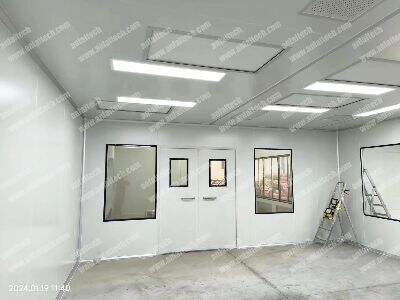
How to Evaluate ISO 8 Cleanroom Particle Standards for Your Needs
Understanding particle standards is crucial for determining the suitability of an ISO 8 cleanroom for your specific application. Buyers should evaluate the following factors
Application Requirements: Different industries have varying cleanroom needs. For example, the semiconductor and pharmaceutical industries may require stricter controls than food processing environments. Assessing the specific requirements of your application will help in selecting the appropriate cleanroom class
Testing and Certification: Ensure that the cleanroom is tested and certified according to ISO standards. This can include routine monitoring and validation of particle counts and air quality. Buyers should request documentation that verifies compliance with ISO 14644-1, which sets the standards for cleanroom classification
Customization Options: Many cleanrooms can be customized to include additional features such as gowning rooms, airlocks, and specialized ventilation systems. Discussing these options with the manufacturer will ensure that the cleanroom meets both current and future needs
Typical Applications of ISO 8 Cleanrooms in Various Industries
ISO 8 class 10000 cleanrooms serve a wide range of applications across different industries. Some of the most common include
Pharmaceuticals: Used for the manufacturing and packaging of sterile products, ensuring that products remain uncontaminated during production
Biotechnology: Employed in research and development labs where aseptic conditions are critical for experiments and product development
Electronics: Essential for semiconductor fabrication, where even minute particles can disrupt production processes and compromise the integrity of the components
Food Processing: Utilized in areas where contamination control is necessary to meet food safety standards, particularly in the packaging and handling of food products
Medical Device Manufacturing: Ensures that devices meet stringent regulatory requirements for cleanliness and safety
Understanding these applications helps buyers assess whether an ISO 8 cleanroom aligns with their operational needs and regulatory compliance
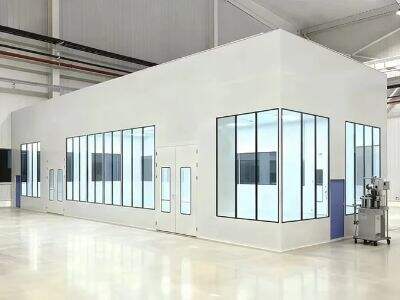
Common Problems in ISO 8 Cleanrooms and Effective Solutions
Despite their design, ISO 8 cleanrooms can encounter several common issues that can compromise their effectiveness
Contamination Breaches: One of the most significant problems is contamination from personnel, equipment, or inadequate maintenance. Regular training for staff on proper gowning procedures and contamination control measures is essential
Airflow Issues: Insufficient airflow or poorly designed ventilation can lead to stagnant air pockets, increasing the risk of contamination. Conducting regular airflow assessments and ensuring that air filters are maintained can mitigate this issue
Material Degradation: Over time, materials can degrade, affecting the cleanroom's integrity. Regular inspections of surfaces and timely repairs or replacements can prevent this issue
Monitoring Failures: If particle counters or environmental monitoring systems are not calibrated or maintained, they may provide inaccurate readings. Implementing a routine maintenance schedule and using validated equipment can help ensure reliable monitoring
What Buyers Should Know
When considering purchasing an ISO 8 class 1k cleanroom, buyers should keep in mind several key factors
Specifications: Clearly outline your specific cleanroom requirements, including size, airflow, and particle standards. Providing detailed application information can help manufacturers offer precise solutions
Customization: Discuss customization options with potential suppliers. Understanding the available modifications can help ensure the cleanroom meets both current and anticipated future needs
Pricing Factors: Be aware that pricing can vary significantly based on specifications, customization options, and the reputation of the manufacturer. Request detailed quotes and compare them against the value offered
Lead Times: Depending on the complexity of the cleanroom design, lead times can vary. Discuss timelines with suppliers to align your project schedule with their production capabilities
Quality Assurance: Verify the manufacturer's quality control processes. A reputable supplier will provide documentation of their quality management systems and certifications
By keeping these considerations in mind, buyers can make informed decisions that lead to successful cleanroom procurement and installation, ensuring a clean environment suitable for their operational needs


