 EN
EN


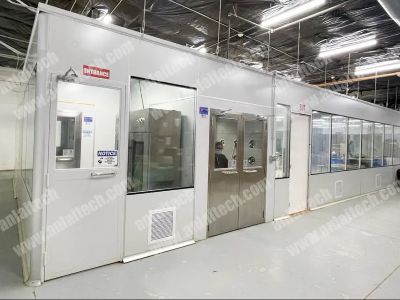
Understanding the key design requirements for ISO-certified optical cleanroom facilities is crucial for manufacturers involved in sensitive fields such as semiconductor production, pharmaceuticals, and biotechnology. These facilities must maintain strict environmental controls to ensure the integrity of processes and products. Buyers often have concerns regarding compliance, material selection, and operational efficiency. This article will provide insights into the essential design considerations, quality control measures, and common challenges faced in ISO-certified optical cleanroom, enabling informed purchasing decisions.
Key Design Requirements for ISO-Certified Optical Cleanrooms Explained
ISO-certified optical cleanrooms are designed to meet stringent cleanliness standards, which are essential for high-precision manufacturing processes. Key design requirements include the following:
Air Quality Control: Cleanrooms must maintain specific levels of airborne particulate contamination. This is achieved through high-efficiency particulate air (HEPA) or ultra-low penetration air (ULPA) filters, which are critical in filtering out contaminants from the air. The design should ensure proper air flow patterns to minimize turbulence and dead zones.
Temperature and Humidity Control: Maintaining stable temperature and humidity levels is crucial for optical components. Temperature fluctuations can affect material properties and performance, while excessive humidity can lead to condensation. HVAC systems must be designed to provide precise control over these environmental factors.
Material Selection: The choice of materials used in cleanrooms construction is vital. Surfaces should be non-porous and easy to clean to prevent contamination. Common materials include stainless steel, glass, and specialized coatings that resist microbial growth.
Personnel Access and Workflow: The layout should facilitate efficient workflow while minimizing contamination risks. This includes designing separate entry points for personnel and materials, as well as implementing proper gowning protocols.
Monitoring Systems: Incorporating real-time monitoring systems for air quality, temperature, and humidity is essential. These systems should alert personnel to any deviations from the established parameters, allowing for timely corrective actions.
Quality Control Measures for ISO-Certified Optical Cleanroom Facilities
Quality control in optical cleanrooms involves rigorous procedures to ensure compliance with ISO standards. Key measures include:
Regular Validation and Testing: Cleanrooms should undergo regular validation processes, including airflow visualization and particle counting, to verify that they meet cleanliness requirements. This involves periodic testing by accredited laboratories.
Preventive Maintenance: Scheduled maintenance of HVAC systems, filters, and other critical equipment is essential to ensure optimal performance. A proactive maintenance schedule helps prevent contamination incidents caused by equipment failures.
Training and Protocols: Personnel should receive comprehensive training on cleanroom protocols, including gowning procedures, material handling, and emergency response. Continuous education helps maintain high standards of cleanliness and operational efficiency.
Documentation and Traceability: Keeping detailed records of all maintenance, testing, and personnel training is crucial for compliance and accountability. This documentation serves as evidence during audits and inspections.
Understanding Specifications for ISO-Certified Cleanroom Products
When sourcing products for ISO-certified cleanrooms, several specifications should be carefully evaluated:
Filter Efficiency: The efficiency rating of filters (HEPA or ULPA) is critical. Buyers should look for filters that meet or exceed the required standards, typically capturing 99.97% of particles 0.3 microns in size or larger for HEPA filters.
Material Certifications: All materials used in cleanroom construction should have relevant certifications indicating compliance with industry standards. This includes confirming that materials are free from contaminants and suitable for iso cleanrooms environments.
Performance Metrics: Buyers should inquire about performance metrics for cleanroom products, such as airflow rates, pressure differentials, and temperature stability. Understanding these metrics ensures that products will meet the specific operational requirements of the facility.
Customization Options: Many cleanroom projects require customized solutions to fit unique specifications. Buyers should discuss customization capabilities with suppliers to ensure that products can be tailored to their needs.
Common Problems in ISO-Certified Cleanrooms and Effective Solutions
Despite rigorous design and operational protocols, common problems can arise in ISO-certified cleanrooms. Here are some issues and their solutions:
Contamination Events: Accidental contamination can occur due to improper gowning or material handling. To mitigate this risk, implementing strict adherence to gowning protocols and conducting regular training sessions for personnel is essential.
Airflow Issues: Uneven airflow can lead to dead zones that allow particulate buildup. Regular airflow assessments and the installation of adjustable diffusers can help ensure uniform air distribution.
Equipment Failures: HVAC system failures can have serious ramifications for cleanroom operations. Establishing a robust preventive maintenance plan and ensuring redundancy in critical systems can help minimize downtime and maintain operational integrity.
Compliance Failures: Non-compliance with ISO standards can lead to costly penalties. Regular audits and internal assessments can help identify areas of improvement before formal inspections.
Cost Factors to Consider When Sourcing Optical Cleanroom Supplies
When sourcing supplies for optical cleanrooms, several cost factors should be considered:
Initial Investment vs. Long-term Savings: While high-quality cleanroom equipment may come with a higher upfront cost, its durability and efficiency can lead to significant long-term savings in maintenance and operational costs.
Customization Costs: Custom solutions often entail additional costs. Buyers should weigh the necessity of customization against standard options and consider how it impacts overall project budgets.
Shipping and Handling Fees: The cost of shipping can vary significantly based on the size and weight of the equipment. Buyers should factor in these expenses, especially when sourcing internationally.
Warranty and Support: Consider the warranty and support offered by suppliers. A comprehensive warranty can provide peace of mind and reduce potential future costs associated with repairs or replacements.
By understanding these key design requirements and considerations, B2B buyers can make informed decisions when sourcing equipment for ISO-certified optical cleanroom facilities, ensuring compliance and operational excellence.
Table of Contents
- Key Design Requirements for ISO-Certified Optical Cleanrooms Explained
- Quality Control Measures for ISO-Certified Optical Cleanroom Facilities
- Understanding Specifications for ISO-Certified Cleanroom Products
- Common Problems in ISO-Certified Cleanrooms and Effective Solutions
- Cost Factors to Consider When Sourcing Optical Cleanroom Supplies


