 EN
EN


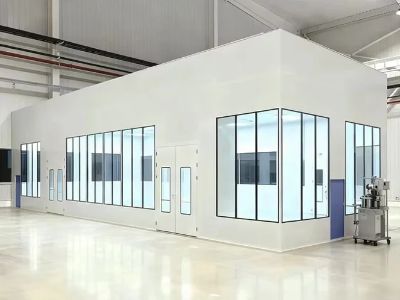
An optical cleanroom is essential for maintaining the stringent contamination control required in precision optics manufacturing. This specialized environment ensures that sensitive optical components are produced without interference from dust, airborne particles, and other contaminants. For B2B buyers, understanding the nuances of selecting an optical cleanroom supplier, the specifications of the equipment involved, and the common challenges faced in these environments is crucial for making informed purchasing decisions. This article will delve into the critical aspects of optical cleanrooms to equip buyers with the insights needed for effective procurement.
What to Consider When Choosing an Optical Cleanroom Supplier?
Selecting the right optical cleanroom supplier involves evaluating several critical factors. First, assess the supplier’s experience in the industry. Look for a supplier with a proven track record of serving high-tech sectors such as LCM, LED, PV, and biopharmaceuticals. Their familiarity with the unique challenges of optics manufacturing, such as maintaining low particle counts and controlling humidity, is essential. Another factor is the customization capabilities. The optical cleanroom should meet the specific needs of your manufacturing processes, which may include unique airflow requirements or additional contamination controls. Ask potential suppliers about their engineering and design processes, and how they can tailor solutions to your operational specifications. Additionally, consider the quality control processes that the supplier implements. A reliable supplier will have stringent testing protocols to ensure their cleanroom equipment adheres to international standards and certifications. Confirming these aspects can help ensure that you receive high-quality, dependable equipment.
Key Specifications for Optical Cleanroom Equipment in Manufacturing
When selecting optical cleanroom equipment, certain specifications are critical to ensuring optimal performance. These include:
Cleanliness Level: Cleanrooms are classified according to the number of particles allowed per cubic meter of air. For optical manufacturing, a class 10,000 or better is often required to maintain product integrity.
Airflow Design: Laminar airflow systems are commonly used in optical cleanroom to ensure that air moves in parallel layers, minimizing turbulence and particle disturbance. Understanding the airflow patterns and the number of air changes per hour is vital for maintaining cleanliness.
Material Selection: The materials used in constructing the cleanroom walls, ceilings, and floors must be non-porous and easy to clean. Common materials include stainless steel and specific types of plastics that resist contamination.
Temperature and Humidity Control: Precise control of temperature and humidity levels is essential for the performance of optical components. A reliable cleanroom will incorporate advanced HVAC systems to maintain these parameters within specified ranges.
Monitoring Systems: Integrated monitoring systems that track particle counts, temperature, and humidity can provide real-time data and alerts, enabling proactive management of cleanroom conditions.
Common Problems in Optical Cleanrooms and Effective Solutions
Optical cleanrooms often face several challenges that can affect operational efficiency and product quality. One common issue is contamination from personnel. To mitigate this risk, implementing strict gowning procedures and airlocks can help minimize the introduction of particles into the cleanroom environment. Another problem is equipment malfunction, which can disrupt the delicate balance of the cleanroom environment. Regular maintenance and prompt troubleshooting of HVAC and filtration systems are essential to prevent these issues. Additionally, establishing a preventive maintenance schedule can help identify potential failures before they impact operations. A further challenge is the management of static electricity, which can attract and hold particles. Utilizing antistatic materials and equipment, along with proper grounding techniques, can significantly reduce static-related contamination.
Where to Source Reliable Optical Cleanroom Supplies Wholesale?
Sourcing reliable optical cleanroom supplies requires careful consideration of potential suppliers. Start by identifying manufacturers known for their expertise in cleanroom technology, particularly those with experience in high-tech industries. Conducting thorough research on supplier reputations, customer reviews, and case studies can provide valuable insights into their reliability and performance. Establishing relationships with suppliers who offer wholesale pricing can also be advantageous. Look for suppliers that provide iso 8 cleanroom standards purchasing options and can accommodate your specific requirements, such as custom sizes or configurations. Another effective strategy is to attend industry trade shows or exhibitions. These events are excellent opportunities to meet suppliers, see products firsthand, and discuss your specific needs with experts in cleanroom manufacturing.
Comparing Different Optical Cleanroom Systems for Your Needs
When comparing different optical cleanroom systems, it’s crucial to evaluate how each system aligns with your operational requirements. Begin by assessing the intended application of your cleanroom. For instance, a cleanroom designed for high-precision optical element manufacturing may have different specifications than one used for general electronics. Next, consider the layout of the cleanroom. An appropriate design should facilitate efficient workflows while minimizing contamination risks. Factors such as the placement of equipment, personnel traffic flow, and the integration of support systems should be taken into account. Furthermore, evaluate the scalability of the cleanroom modular system. As your production needs evolve, the ability to expand or modify the cleanroom without significant downtime can be a critical factor in long-term operational efficiency. Lastly, analyze the total cost of ownership, which includes initial investment, maintenance costs, and energy consumption. A more expensive system may offer lower operating costs in the long run due to energy efficiency and reduced maintenance needs, making it a more economical choice overall. By understanding these key aspects of optical cleanrooms, buyers can make informed decisions that enhance their manufacturing processes while ensuring compliance with industry standards.
Table of Contents
- What to Consider When Choosing an Optical Cleanroom Supplier?
- Key Specifications for Optical Cleanroom Equipment in Manufacturing
- Common Problems in Optical Cleanrooms and Effective Solutions
- Where to Source Reliable Optical Cleanroom Supplies Wholesale?
- Comparing Different Optical Cleanroom Systems for Your Needs


