 ×
×
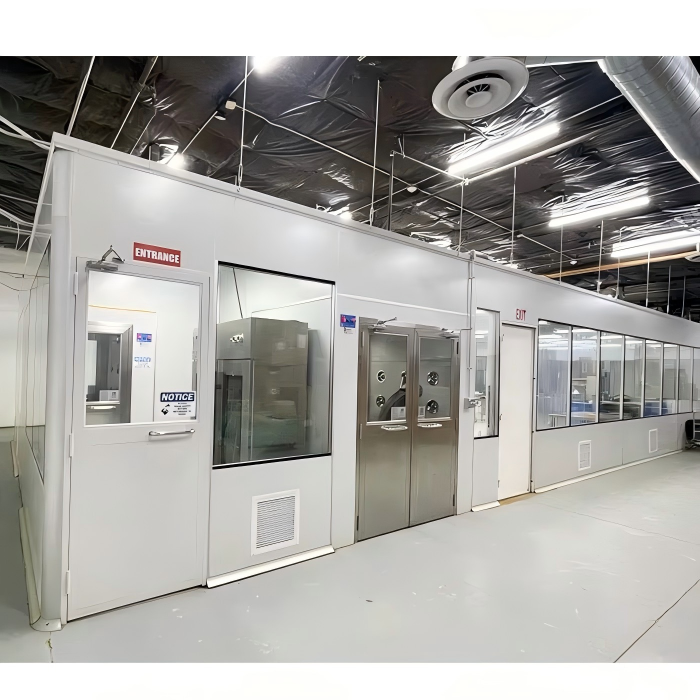
ISO 7 and ISO 8 are types of cleanroom standards. A cleanroom is a special room where the air is super clean, and there are very few tiny particles like dust. ISO 7 means that the cleanroom has fewer particles compared to ISO 8. For example, in an ISO 7 cleanroom, there can be no more than 352,000 particles that are 0.5 microns or larger in one cubic meter of air. On the other hand, an iso class 7 cleanroom standards can have up to 3.5 million particles in the same space. This is a big difference! For wholesale buyers, knowing about these standards is crucial. If you’re buying products that need to be super clean, like in the medical or tech fields, you want to be sure that they come from an ISO 7 or ISO 8 cleanroom.
When choosing between iso level 7 clean room for your products, it is important to think about what you need for your specific items. ISO 7 and ISO 8 are both types of cleanrooms that control the amount of dust, germs, and other tiny particles in the air. Anlaitech understands that different products require different levels of cleanliness. For example, if you are making medicines, medical devices, or high-tech electronics, you might need an ISO 7 cleanroom. This type of cleanroom allows fewer particles in the air, which helps keep your products safe and clean. On the other hand, if your products are less sensitive, like some types of food packaging or cosmetics, an ISO 8 cleanroom might be enough.
ISO 7 and ISO 8 standards greatly improve product quality and safety for wholesale buyers. When you sell products that are made in a cleanroom, you can be sure that they are free from harmful particles and germs. This is crucial for products like medicines, where even a tiny bit of dirt can iso 14644 class 7 have stricter rules, which means they have fewer particles than ISO 8 cleanrooms.
Even for products in an ISO 8 cleanroom, buyers can be confident that they are still made in a controlled environment. This helps reduce the risk of contamination, which can lead to product failures or recalls. Anlaitech understands the importance of these standards and can help businesses meet iso 7 cleanroom standards to ensure the highest safety and quality for their products. When customers trust that your products are made in a cleanroom, they are more likely to buy from you again.
The key differences between ISO 7 and ISO 8 cleanroom classifications are mainly about how clean the air is in each type of room. ISO 7 cleanrooms have stricter limits on the number of particles allowed in the air. For example, in an iso 7 class 10000 there can only be a certain number of particles larger than 0.5 micrometers per cubic meter of air. This means it’s much cleaner compared to ISO 8 cleanrooms, where the limits are a bit higher, allowing more particles in the air.


 EN
EN