 ×
×
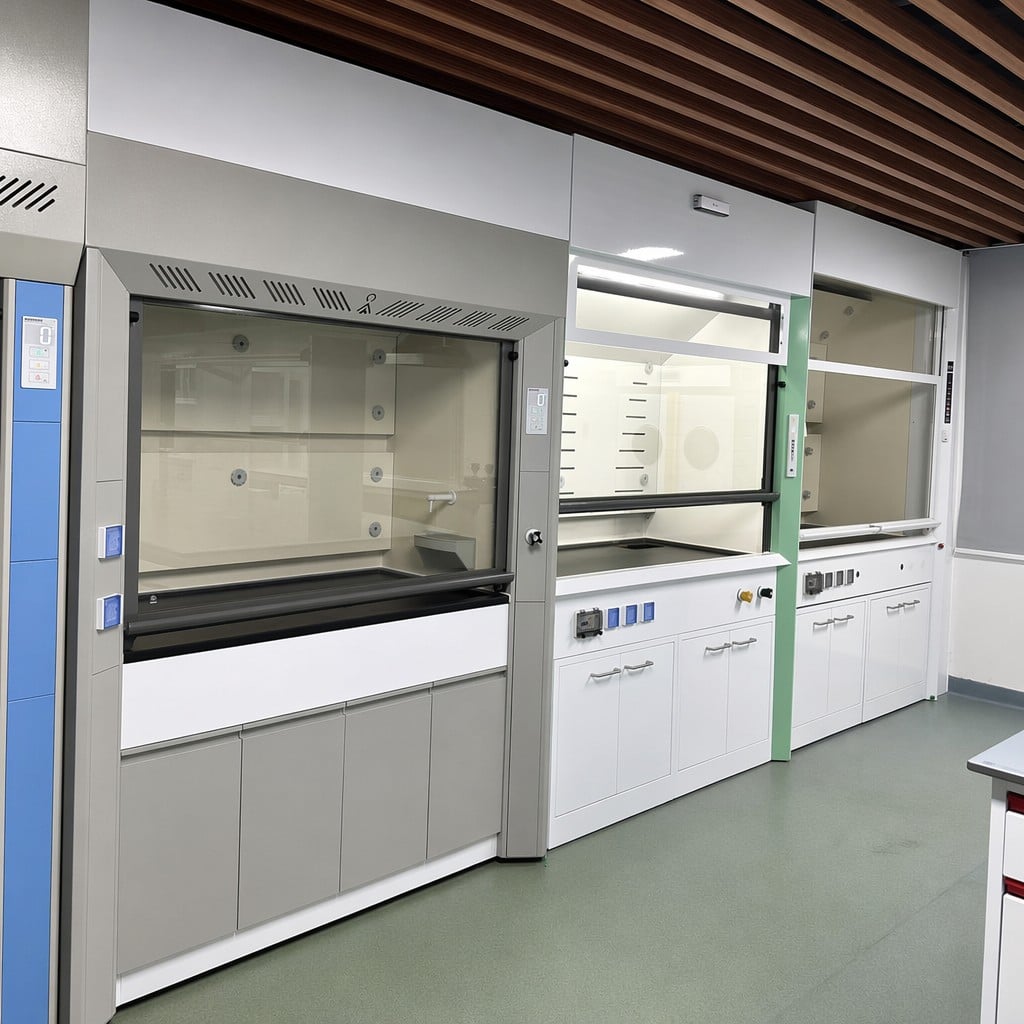
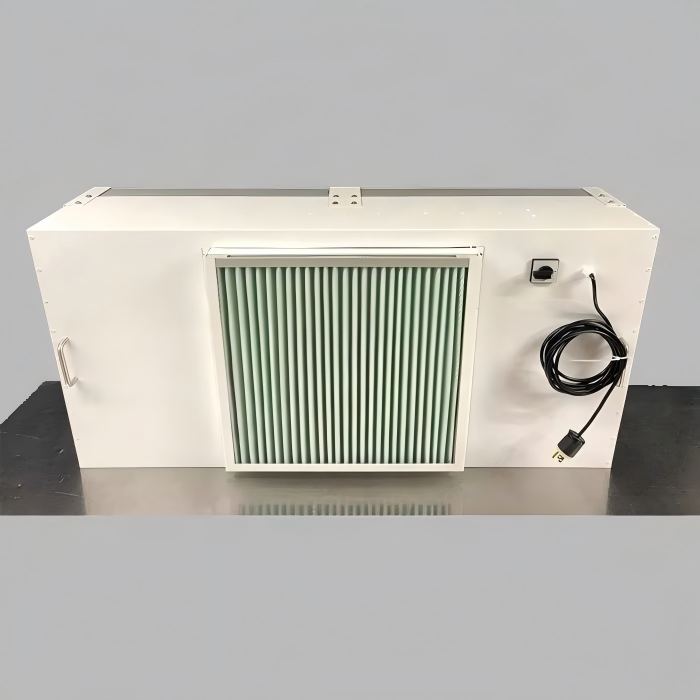
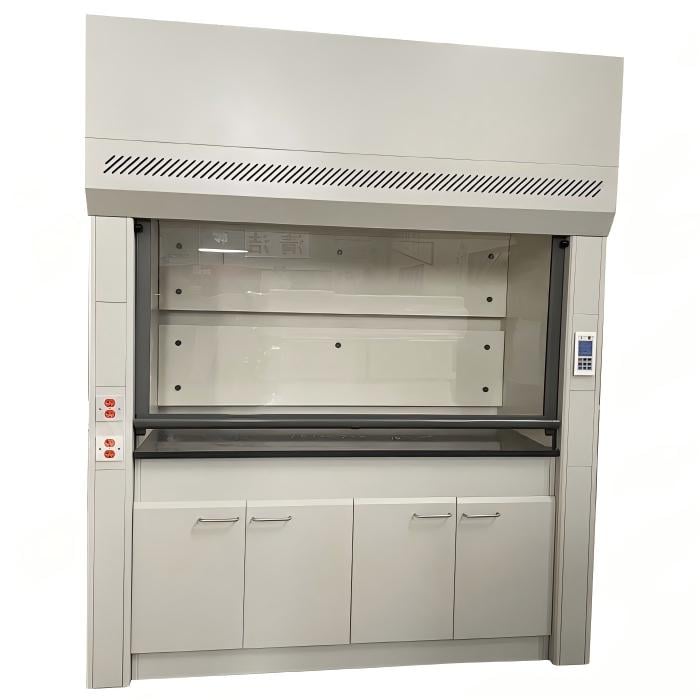
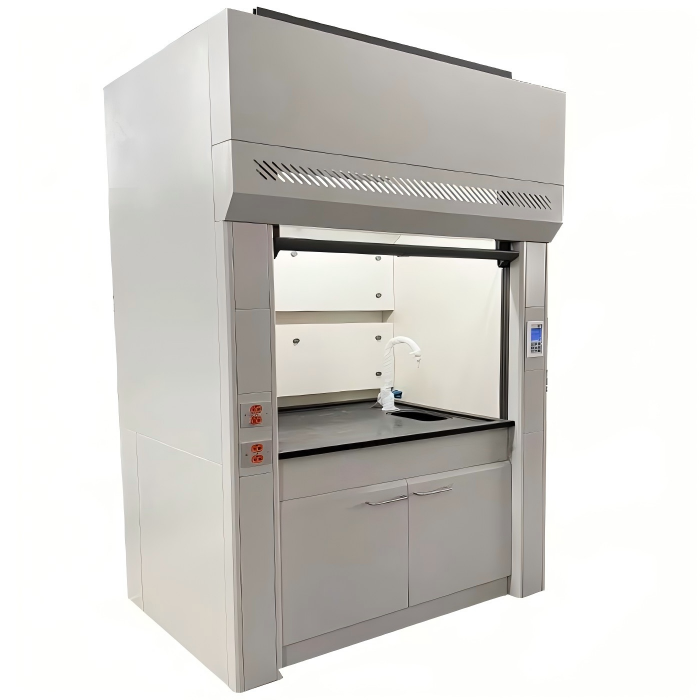
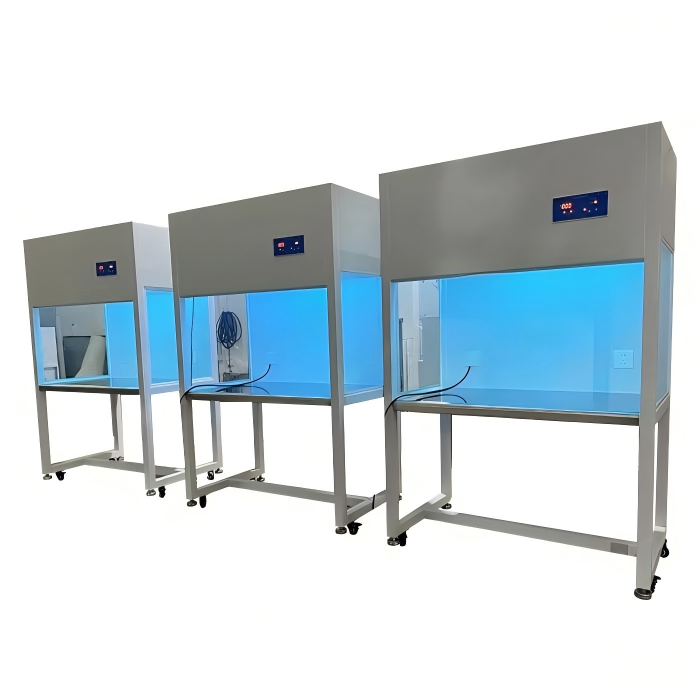
A laminar flow hood is a special kind of equipment used in laboratories. It helps keep the air clean and safe when working with living cells. This is very important in tissue culture, which is when scientists grow cells in a controlled environment. The laminar flow hood filters the air and blows it across the work surface. This way, it prevents dust, germs, and other particles from getting into the samples. Anlaitech makes laminar flow fume hood that is reliable and efficient, ensuring that researchers can work safely and effectively.
Using a laminar flow hood has many benefits for tissue culture work. First, it keeps the workspace clean. The filtered air that flows through the hood removes harmful particles. This is crucial when growing cells because any dust or bacteria can ruin experiments. Imagine trying to grow a garden, but dirt and bugs keep getting in. It would be hard to make the plants grow well. The same idea applies to cell cultures. Furthermore, laminar flow hoods help protect researchers too. When working with cells, some might use chemicals or substances that can be harmful if inhaled. The hood creates a barrier, keeping those harmful materials contained. This safety feature is very important for anyone working in a lab. Another benefit is the ease of use. Many laminar flow hoods, like the ones from Anlaitech, are designed to be user-friendly. They often have simple controls and clear displays. This makes it easy for scientists to set them up and get to work quickly. Also, they come in different sizes. Whether you need a small one for a personal workspace or a larger one for team projects, there is a suitable option. Finally, the investment in a vertical laminar flow hood can lead to better results. Clean and safe conditions mean that the cells can grow more healthily. Researchers might get more accurate data from their experiments. In the end, using a laminar flow hood is a smart choice for anyone involved in tissue culture.
Even though laminar flow hoods are great, users can face some common issues. One problem is that sometimes the filters need to be changed. If the filters are dirty or clogged, they can’t clean the air properly. This can happen if the hood is used frequently without maintenance. Researchers might not realize that the air quality is not as good as it should be. Regular checks and cleaning are important to keep the hood working well. Another issue is the noise. Some laminar flow hoods can be loud when they are running. This can be distracting in a quiet lab environment. Researchers might have to raise their voices to communicate, which can be annoying. Additionally, users might find the size of the hood a challenge. In some labs, space is limited. If a hood is too big, it can be hard to fit everything needed for experiments. Sometimes, it blocks other equipment or makes it hard to move around. Lastly, there may be a learning curve when first using a laminar flow hood. New users might not know how to operate it correctly or could forget to follow safety protocols. This can lead to mistakes in their work. It’s important for labs to provide training for new users. By addressing these common issues, users can make the most of their laminar flow hoods and improve their tissue culture work.
If you are looking to start a tissue culture project, one important piece of equipment you will need is a laminar flow hood. These hoods keep the air clean and protect your cultures from germs and dust. You might be worried about the cost, but there are many places you can find affordable options. One good idea is to check online stores. Websites that specialize in laboratory equipment often have sales or discounts. You can compare prices from different sellers before you buy. Another option is to look for used laminar flow hoods. Many labs upgrade their equipment and sell their old hoods at lower prices. Websites like eBay or special lab equipment sites may have what you need. When buying used, make sure to read reviews or ask about the condition of the hood to ensure it works well. If you have a local college or university, you can also reach out to them. Sometimes they have old equipment they no longer use and might sell it for a good price. You can even check local classified ads or community boards. Another way to save money is to consider smaller brands, like Anlaitech. They offer quality laminar flow hoods that are often more affordable than some bigger brands. No matter where you look, remember to think about the size and features you need for your tissue culture project. Making a list of what you want can help you find the best stainless steel laminar flow hood at the best price.
Technology is always changing, and laminar flow hoods are no exception. The latest innovations in this area are making it easier and safer to work on tissue culture projects. One exciting development is the use of better filters. New filters can trap even smaller particles, keeping your cultures cleaner than ever before. This means less chance of contamination, which is very important for successful tissue culture. Another innovation is the introduction of smart technology. Some new hoods can monitor airflow and even alert you if something is wrong. This feature helps ensure that your work area stays safe and clean without you having to worry constantly. Additionally, some laminar flow hoods now come with energy-efficient designs. These hoods use less electricity, which is good for the environment and can save you money on energy bills. Anlaitech is one brand that focuses on these improvements, offering hoods that are both high-quality and energy-efficient. Also, the design of the hoods has become more user-friendly. Many models now have easy-to-use controls and bright LED lighting, making it easier to see your work. This is especially useful when working with small samples. These innovations make modern laminar flow hoods not only more effective but also easier to use, encouraging more people to get involved in tissue culture projects.


 EN
EN