 EN
EN


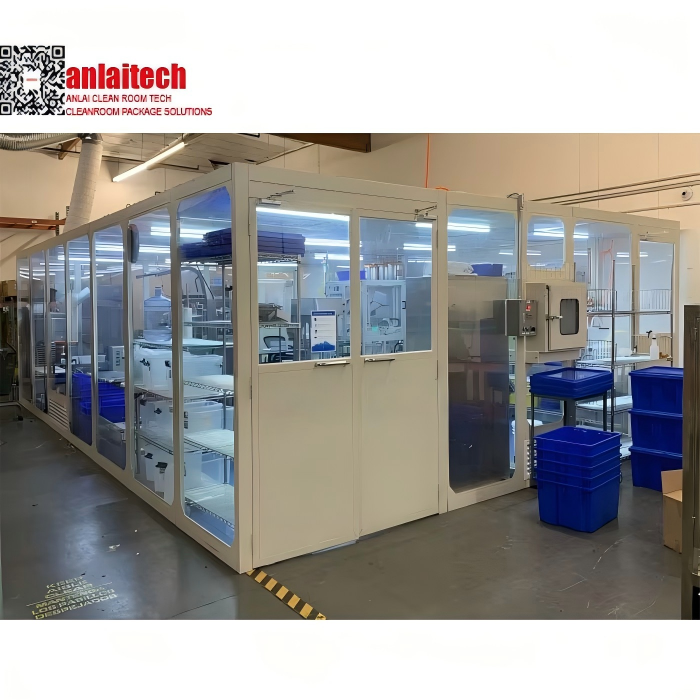
Choosing the right clean room modular for pharmaceutical applications is crucial for meeting stringent GMP requirements while minimizing downtime. This article provides insights into how anlaitech class 8 clean room modulars can be tailored to the unique needs of the pharmaceutical industry, ensuring compliance and efficiency in your operations. We'll explore essential considerations for selection, installation guidance, and common issues that may arise, helping purchasing managers and facility engineers make informed decisions.
What to Consider When Choosing a Clean Room Modular for Pharma?
When selecting a clean room modular for pharmaceutical applications, several critical factors must be taken into account to ensure compliance with Good Manufacturing Practices (GMP) and operational efficiency.
First, the clean room's classification is paramount. Different classes (eg., ISO 5, ISO 7) determine the maximum allowable particle counts in the air. Pharmaceutical facilities must evaluate the required level of cleanliness based on the specific processes and products being manufactured.
Next, consider the materials used in the construction of the clean room modular. Stainless steel and non-porous, chemically resistant materials are preferred due to their durability and ease of cleaning. The choice of materials directly impacts the clean room's ability to maintain cleanliness and prevent contamination.
Additionally, integration with existing systems is crucial. Ensure that the design accommodates current HVAC systems and adheres to energy-saving principles, which can significantly reduce operational costs.
Lastly, customization capabilities are essential. Buyers should discuss specific requirements with suppliers to tailor the clean room modular to their unique processes, including layout, equipment placement, and airflow dynamics.
How Clean Room Modulars Meet GMP Requirements for Pharma?
Clean room modulars are designed to adhere to GMP requirements through several key features. Firstly, their construction ensures a controlled environment, minimizing the risk of contamination. The use of high-efficiency particulate air (HEPA) filters and proper airflow management are critical components in achieving the necessary cleanliness levels.
Moreover, these modular systems facilitate easy cleaning and maintenance. Smooth surfaces, rounded corners, and minimal seams reduce areas where contaminants can accumulate. This design consideration is vital for maintaining compliance during operations, especially in environments handling sensitive pharmaceutical products.
Temperature and humidity control within clean room modulars also play a significant role in meeting GMP standards. Maintaining specific environmental conditions is crucial for drug stability and efficacy. Advanced monitoring systems can provide real-time data to ensure that these parameters remain within required limits, further supporting compliance with regulatory standards.
Where to Source Reliable Clean Room Modular Suppliers for Pharma?
Finding a reliable supplier for clean room modulars requires careful evaluation. Start by researching suppliers with proven experience in the pharmaceutical sector. Look for manufacturers that have successfully completed projects for multinational companies, as this experience often correlates with industry knowledge and capability.
Request references and case studies to assess the supplier's track record. A company like Anlaitech, with extensive expertise in iso 7 class 10000 clean room air conditioning and purification, serves as a strong candidate, given its history in various high-tech fields, including biopharmaceuticals.
Additionally, verify certifications and compliance with relevant industry standards. Suppliers should be able to demonstrate quality control processes that ensure their products meet stringent regulations.
Finally, consider suppliers that offer customization options, as this flexibility can be crucial for meeting specific facility requirements.
Installation Guidance for Clean Room Modulars in Pharma Facilities
Proper installation of clean room modulars is essential to ensure functionality and compliance with GMP regulations. Start with a thorough assessment of the installation site, including measurements and existing infrastructure, to confirm compatibility.
Engage a team of professionals experienced in clean room construction for the installation process. Qualified technicians should oversee the installation, ensuring that all components are assembled according to specifications and that airflow patterns are optimized.
During installation, check the integrity of seals and joints. Any gaps or leaks can compromise the clean room's performance. Conduct pressure tests and validate airflow patterns before moving forward with equipment installation.
Training staff on operational protocols is equally important. Ensure that personnel understand how to maintain the clean room environment, including cleaning procedures and monitoring systems. This training will help minimize downtime and maintain compliance post-installation.
Addressing Common Problems with Clean Room Modulars in Pharma
Even with careful planning, issues may arise with clean room modulars in pharmaceutical settings. One common challenge is maintaining the desired cleanliness level. Regular monitoring and validation of HEPA filters and airflow patterns are essential to identify potential problems early.
Another issue is equipment compatibility. Ensure that any machinery used within the clean room is designed for high-performance environments. Incompatible equipment can lead to inefficiencies and increased contamination risks.
Additionally, buyers should be aware of the potential for human error. Strict adherence to SOPs (Standard Operating Procedures) and regular staff training can mitigate risks associated with human factors.
Lastly, consider the lifecycle of the clean room modular. Over time, materials may degrade, impacting performance. Establish a maintenance schedule of your anlaitech 1k clean room that includes inspections and necessary repairs to prolong the lifespan and functionality of the clean room.
By addressing these common problems proactively, pharmaceutical companies can maintain a compliant and efficient clean room environment that meets evolving industry standards.
Table of Contents
- What to Consider When Choosing a Clean Room Modular for Pharma?
- How Clean Room Modulars Meet GMP Requirements for Pharma?
- Where to Source Reliable Clean Room Modular Suppliers for Pharma?
- Installation Guidance for Clean Room Modulars in Pharma Facilities
- Addressing Common Problems with Clean Room Modulars in Pharma


