 EN
EN


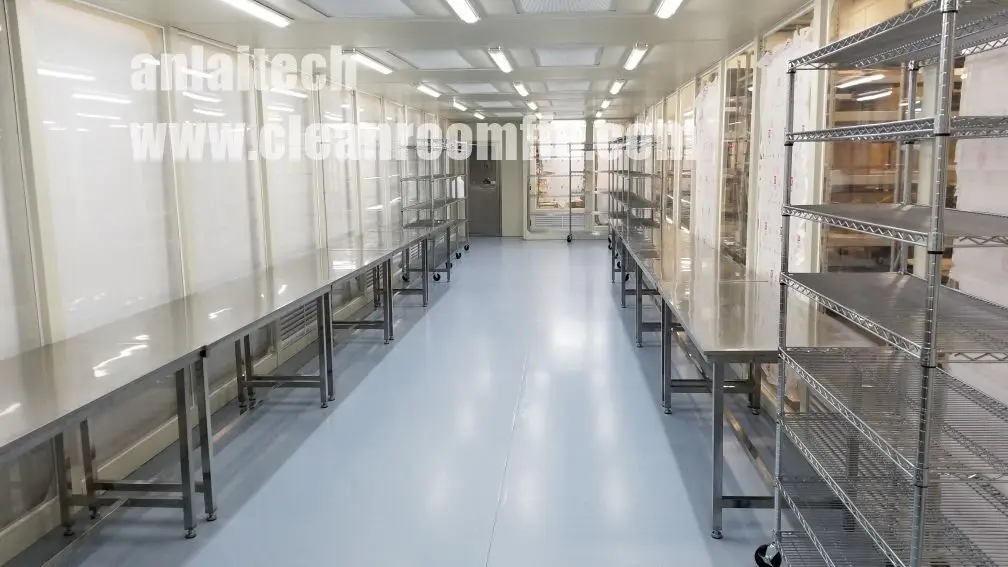
And in a cleanroom, particularly in industries like pharmaceuticals or biotechnology, super cleanliness is critical. This is where we turn to ISO 7 cleanroom standards. We understand at Anlaitech that it can be overwhelming to ensure your cleanroom complies to these standards. But don't worry! Knowing how to test the air and surfaces in your cleanroom can help alleviate some of that anxiety. This post will help walk you through the key steps as well as what you should know when it comes to being compliant.
What You Need to Know About Compliance
To be ISO 7 compliant you should know what is required and what it means. A cleanroom must maintain an environment or air cleanliness that is specified in particles per cubic meter. There are less than 352,000 particles in an ISO 7 cleanroom that are 0.5 micrometers and greater. That means that a room without regular cleaning and testing could quickly exceed this limit. That is why testing surfaces and the air will be crucial.
Now, on to testing protocols. For testing the air, you will have to purchase special equipment known as air samplers. These samplers can suck air into a collector where particles are counted. You would test the air from various locations in your cleanroom. This can help to pinpoint the more contaminated regions. And surface testing is just as important. You can take swabs or wipes to get samples from surfaces. You then send such samples to a lab where they are analyzed to determine if they meet the ISO standards. This is not just a matter of passing such tests; it is alignment with quality and safety.
Another key point is documentation. Recording all tests and results is necessary. So you have a folder or file in your computer that lists every test done, its result and any action taken if something fails. This documentation is beneficial not only for your personal records, but it also might be critical should you have an audit or inspection. And being organized will make things easier and show you take cleanliness seriously.
How to Get ISO 7 Clean Room Certified in Your Facility
There are a few steps to the process of achieving ISO 7 cleanroom validation, but it is not as overwhelming as it sounds. Decide on your clean room design. The design should be optimized for high airflow and low contamination. That is by positioning equipment effectively and ensuring that there’s no interference to clean areas from the flow of people or materials.
After positioning the layout, you must provide air flow. Air filters are central here. And, of course, HEPA filters can aid in the removal of particles from the air. You must service these filters on a regular basis. If they are clogged, they will not operate efficiently. You’ll also need a schedule for changing sweetest smelling air purifier to keep the atmosphere clean.
Adding another layer of training: Staff members. Everything entering the cleanroom must be well understood by anyone that may enter. Even basic measures like wearing gloves, masks and gowns can drive the decline. Training should also cover the proper cleaning of surfaces and use of equipment. The better your team is informed, the less likely any contaminants will come into the cleanroom environment.
You’ve got your models set up and trained, now it’s time to test. Regular air and surfaces testing can be planned. You can begin by simply testing to see where you stand. From there, you can then watch the flow clean room on a regular basis. If tests reveal the cleanroom is not up to ISO 7 standards, you’ll want to troubleshoot and resolve any concerns right away.
Finally, keep everything documented. This would include results of all the tests, schedules for maintenance and logs for cleaning. This record keeping will not only aid in compliance, but it also ensures that everyone at your facility is on the same page where cleanliness is concerned.
Finally, getting to ISO 7 cleanroom validation might seem like a lot of work but its necessity is labeled for safety and quality. Here at Anlaitech we know you need a cleanroom and we’re here to help you achieve the highest standards.
What Are the Primary Steps of ISO 7 Cleanroom Air Testing?
It is invaluable to ensure that an ISO 7 cleanroom’s air quality is safe and clean. First, we must assemble the proper tools. Such methods include air samplers and particle counters. The air samplers allow us to collect samples of the air and the particle counters give us a count of how many tiny particles there are in the air. First, we’re going to need a timeline for the testing. We try to be testing the air while the cleanroom is in use because this gives us our best and most accurate results.
Soon, we’ll be installing the air samplers in cleanroom locations. That way we are able to sample the air from different locations. Every sampler would play for X minutes, usually something like 10-15 minutes. Once we have the air samples, we must be sure to scrutinize them well. We are searching for particles larger than 0.5 micrometers as these may be deleterious to the more delicate operations.
Now that we have the data, it’s time to compare the results with ISO 7 cleanroom standards. An ISO 7 cleanroom, meanwhile, must not contain more than 352,000 of those particles per cubic meter of air. If it’s above that, the cleanroom is not clean enough. We might need to invest in better air filters, or make sure the doors and windows seal correctly. After we’ve done our air testing, let’s write a report. Testing procedures, results and recommendations with respect to enhancements, will be summarized in this report. If we can follow those steps, we guarantee that the air in the cleanroom is to spec and keeps everything safe.
Why ISO 7 Cleanroom Standards are important
ISO 7 cleanroom standards are really important for a number of reasons. For one, they help the environment (a safe working condition is of course always more sensitive to work in). Even in fields like pharmaceuticals and electronics, tiny bits have the power to spoil products. If a cleanroom falls short of ISO 7 class standards, it can result in bad products that might harm people or cause a financial setback for a company. Adhering to these guidelines allows businesses to provide customers with safe and dependable products.
A second reason these standards are important is that they keep companies competitive. When a company can demonstrate that it operates within an ISO-7 cleanroom, it creates trust with clients. They understand that quality and safety are top priorities for the company. This confidence can result in more sales and a good name on the market. It’s also great for companies using to ISO 7:2010 standards as they can prevent expensive errors. If they test their cleanroom inadequately, in the future they may be subject to recalls or lawsuits.
Companies also benefit from ISO 7 clean room standards that help them to meet regulatory requirements. In many industries, there are strict guidelines for cleanliness and safety. Comply with ISO 7 Standards One of the best ways a company can determine if it is following these rules is through adherence to ISO 7 standards, which will enable them to steer clear of penalties and legal issues. In the end, ISO 7 cleanroom standards are more than regulations they're a means to safety, quality and business success.
How Does ISO 7 Cleanroom Validation Benefit Your Business?
There are also numerous benefits associated with validating an ISO 7 cleanroom. First, it maintains quality in the products that are produced in that cleanroom. The term "A cleanroom is validated" means that the room has been tested and it had passed all of the standards. This results in reduced defects and improved quality. Great products can ensure that customers are happy and come back for more.
Another advantage is that cleanroom validation can be economical in the long term. While it might cost money to verify the cleanroom, it can pay off in the avoidance of expensive problems down the road. For instance, if a company fails to validate its cleanroom, it could produce bad products that must be thrown out or recalled. This can result in huge costs and also damage a company’s reputation. The validation can help to snag those before they spiral into headaches and extra expense.
Furthermore, certification of an ISO 7 cleanroom can be a gateway to new business. Çole says some customers will only do business with companies that satisfy certain criteria in terms of cleanliness. By certifying the clean room companies will be able to secure more new client and conquer a bigger market. This could translate into greater profits and business growth for the company.
Finally, cleanroom validation may lead to a safer work environment. It is an establishment in which the air and surfaces are being kept clean, for the health of employees. Happy employees make for safe and more productive workers. In the end, ISO 7 cleanroom validation is a wise choice for any company looking to survive -and thrive- in today’s world. We know the importance of cleanroom validation at Anlaitech, and we are here to help companies reach compliance.


